
What Is the Asphalt Calculator?
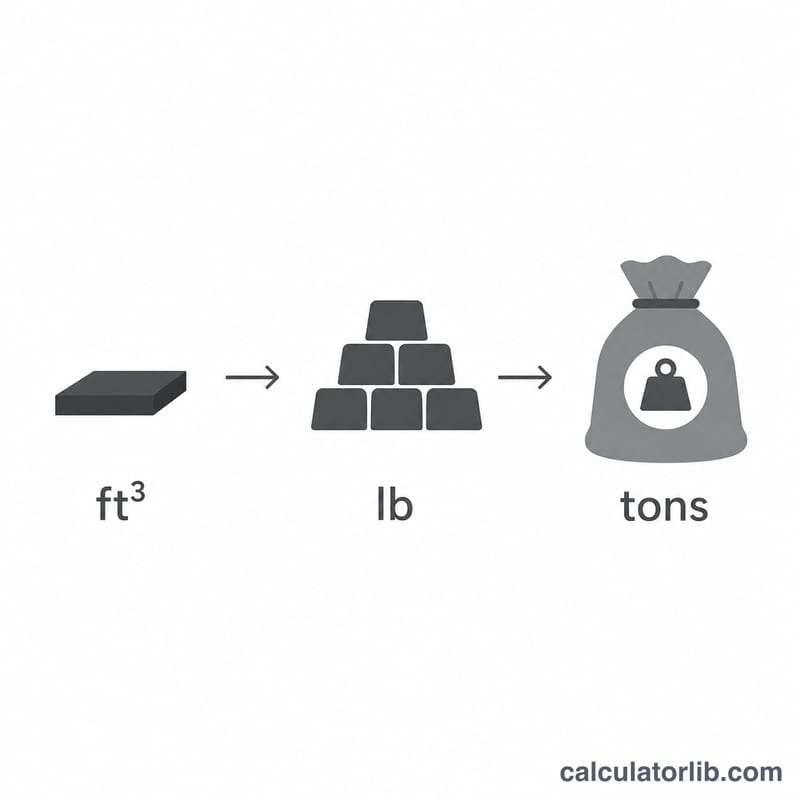
The Asphalt Calculator estimates how many tons of hot-mix asphalt you need to pave a rectangular area such as a driveway, parking lot, or road section. It multiplies the paved volume by the typical compacted asphalt density of 145 pounds per cubic foot and converts the result into US tons, so you can order the right amount of material and avoid costly shortfalls or waste.
How to Use It
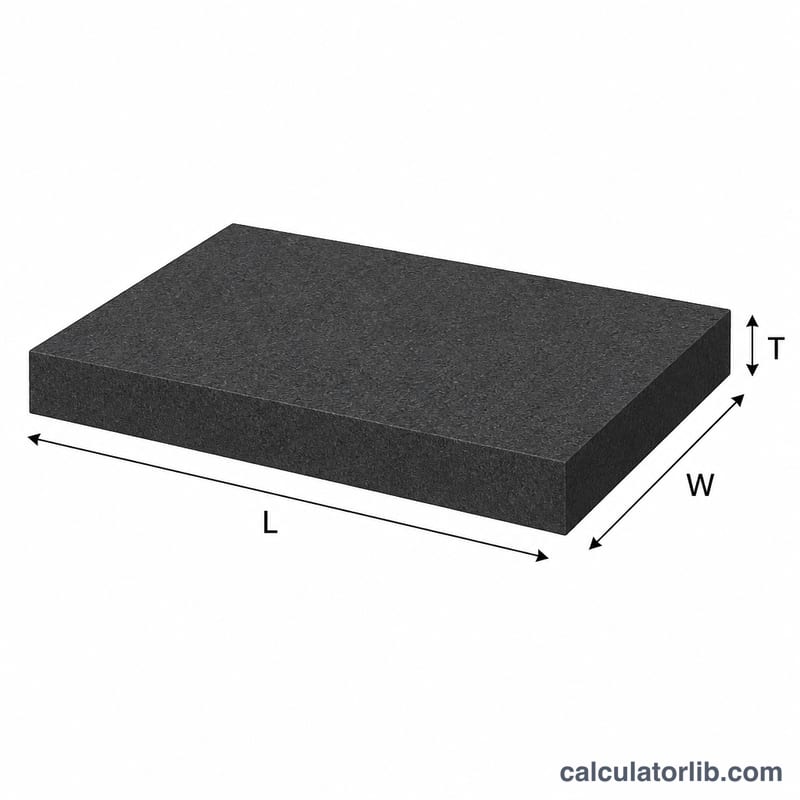
Enter the length and width of the area in feet, then the desired thickness in inches (a typical driveway uses 2–3 inches, while roads use more). The calculator converts thickness to feet, computes the volume in cubic feet, applies the density, and divides by 2000 to give tons. Order a little extra (5–10%) to account for compaction and edge spillage.
The Formula Explained
$$\text{Tons} = \frac{\text{Length (ft)} \times \text{Width (ft)} \times \dfrac{\text{Thickness (in)}}{12} \times 145}{2000}$$ where \(\text{Thickness ft} = \text{inches} \div 12\). The factor \(145\ \text{lb/ft}^3\) is a common compacted hot-mix asphalt density; \(2000\ \text{lb}\) equals one US short ton.
Worked Example
For a driveway 40 ft long, 12 ft wide, and 3 inches thick: thickness = \(3 \div 12 = 0.25\) ft. Volume = \(40 \times 12 \times 0.25 = 120\) ft³. $$\text{Tons} = \frac{120 \times 145}{2000} = 8.7\ \text{tons}$$
Typical Asphalt Thickness Ranges
The right compacted thickness depends on the traffic loads the surface must carry. Thicker pavement spreads heavy wheel loads over a wider area of the subgrade and resists rutting and cracking. The values below are common rules of thumb for the compacted asphalt surface course; always defer to a local engineer or paving contractor for designs subject to building codes or heavy commercial traffic.
| Application | Compacted Surface Thickness | Notes |
|---|---|---|
| Residential driveway | 2–3 in | Light passenger vehicles only. |
| Parking lot (cars/light) | 3–4 in | Use the upper end where occasional trucks park. |
| Local / residential roads | 4–6 in | Often placed in two lifts. |
| Highways & heavy-load areas | 6+ in | Engineered multi-lift structural section required. |
Base course guidance
Asphalt almost never sits directly on raw soil. A compacted aggregate base course (crushed stone or road base) distributes load and provides drainage. Typical aggregate base depths run 4–6 in for driveways and 6–12 in for roads and parking lots over weak or clay subgrades. The asphalt thicknesses above are in addition to this base layer. When asphalt is placed in multiple lifts, each lift is usually 1.5–3 in compacted.
Ordering Recommendations
The calculated tonnage is a theoretical net quantity. Use these practices to turn it into a realistic order:
- Add 5–10% overage. Asphalt compacts under the roller, some material sticks to trucks and tools, and grade variations soak up extra mix. Ordering 5–10% more than the calculated figure prevents a costly short load. For the 8.70-ton driveway above, a 10% cushion means ordering about 9.57 tons.
- Round up to the supplier's minimum load. Many plants have a minimum order (often a few tons) and bill in whole-ton increments. Small driveways may pay for more than they strictly need.
- Confirm the density with your supplier. This tool assumes 145 lb/ft³, a common average for dense-graded hot mix, but actual mixes range roughly 140–150 lb/ft³ depending on aggregate and gradation. A different density changes your tonnage proportionally.
- Account for waste on irregular shapes. Curves, cul-de-sacs, and tapered edges create offcuts and uneven spread. Break complex areas into rectangles and circles, sum the pieces, and add extra overage for hand-worked sections.
- Plan logistics around the load. Confirm truck access, schedule paving for dry weather above the plant's minimum placement temperature, and have the crew and roller ready before the hot mix arrives, since it cools quickly.
This is general estimating guidance, not engineering advice. For structural pavement design or projects governed by local code, consult a qualified engineer or paving contractor.
FAQ
What density does this use? 145 lb/ft³, a standard value for compacted asphalt. Mixes vary from ~140 to 150 lb/ft³, so confirm with your supplier.
Why convert thickness to feet? Length and width are in feet, so thickness must match the unit before multiplying to get cubic feet.
Should I order extra? Yes — add roughly 5–10% for compaction, waste, and uneven subgrade.