What Is the Journal Impact Factor?
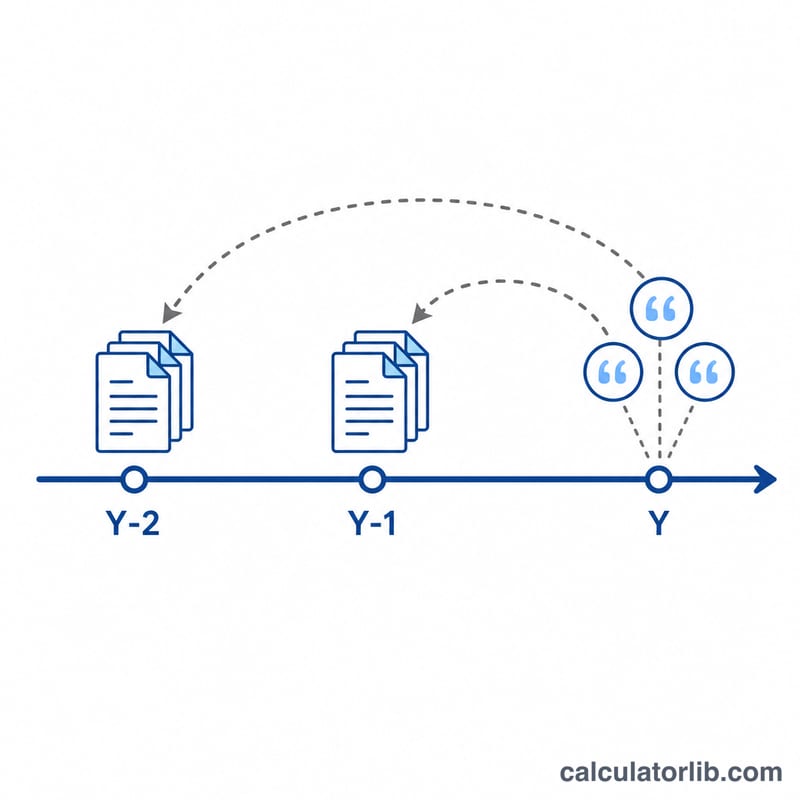
The Journal Impact Factor (IF) is a widely used metric that measures the average number of citations received by articles published in a journal during the two preceding years. Introduced by Eugene Garfield and now published annually in the Journal Citation Reports, it serves as a rough proxy for a journal's influence and visibility within its field.
How to Use This Calculator
Enter two numbers: (1) the number of citations received in the current year to articles the journal published in the previous two years, and (2) the total number of citable articles the journal published during those same two years. The calculator divides the first by the second to produce the Impact Factor.
The Formula Explained
The Impact Factor is calculated as \(\text{IF} = C / A\), where C is the count of current-year citations to the prior two years of content, and A is the number of citable items (typically research articles and reviews) published in those two years. A higher ratio indicates that, on average, each article attracts more citations.
$$\text{Impact Factor} = \frac{\text{Citations in Current Year}}{\text{Articles in Prior 2 Years}}$$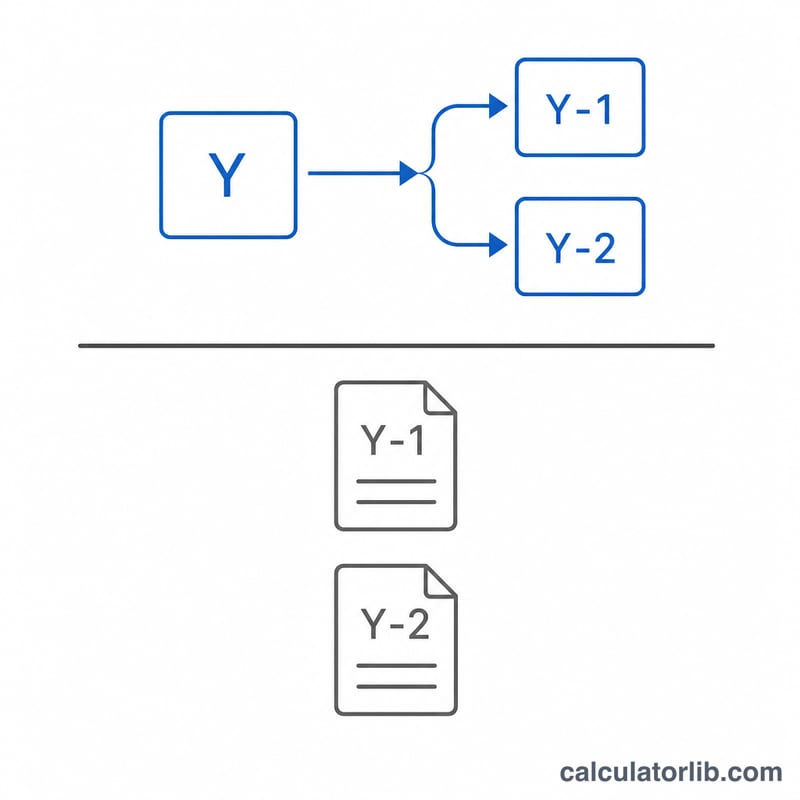
Worked Example
Suppose a journal received 1,200 citations in 2024 to articles it published in 2022 and 2023, and it published 300 such articles across those two years. Then $$\text{IF} = 1{,}200 / 300 = \mathbf{4.0}$$ On average, each article from the prior two years was cited four times in 2024.
FAQ
Is a higher Impact Factor always better? Not necessarily. IF varies widely by discipline, so comparing journals across fields can be misleading. It also reflects the journal, not individual articles.
What counts as a "citable item"? Usually research articles and review papers. Editorials, letters, and news items are often excluded from the denominator but can still contribute citations.
Can I use this for any year window? The standard IF uses a 2-year window. A 5-year Impact Factor uses the prior five years instead; this tool implements the classic 2-year version.