
What is a megapixel?
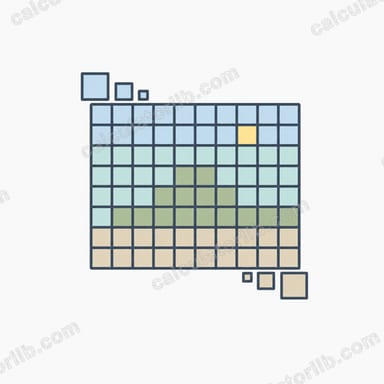
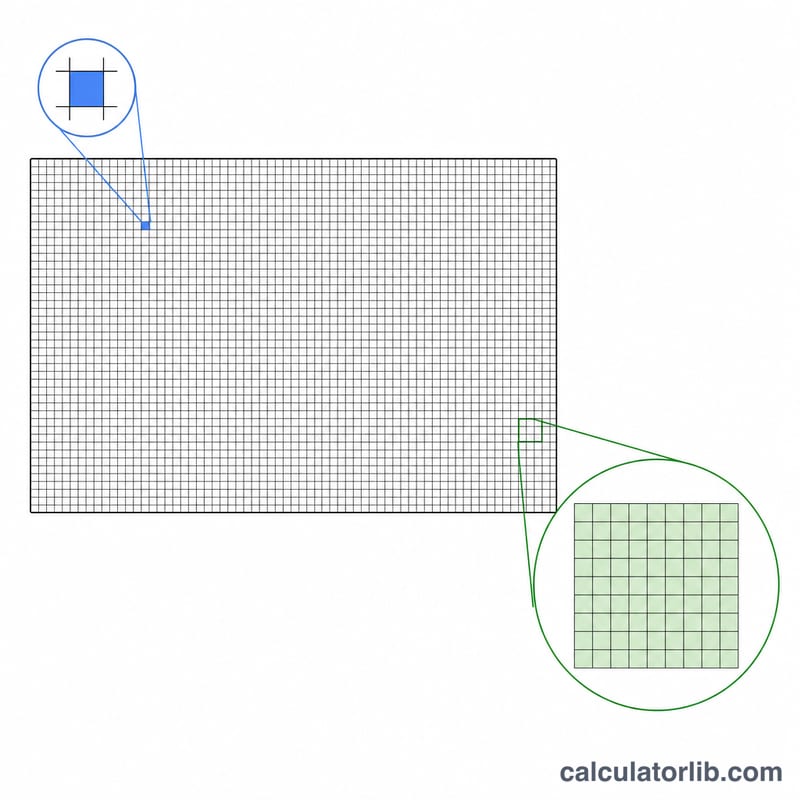
A megapixel (MP) is exactly one million pixels. Camera and screen resolutions are usually quoted in megapixels because the raw pixel count gets large quickly — a modern phone photo can be 50,000,000 pixels, which is much easier to say as "50 MP". This calculator converts any width × height resolution into megapixels, and also reports the total pixel count and the image aspect ratio.
How to use it
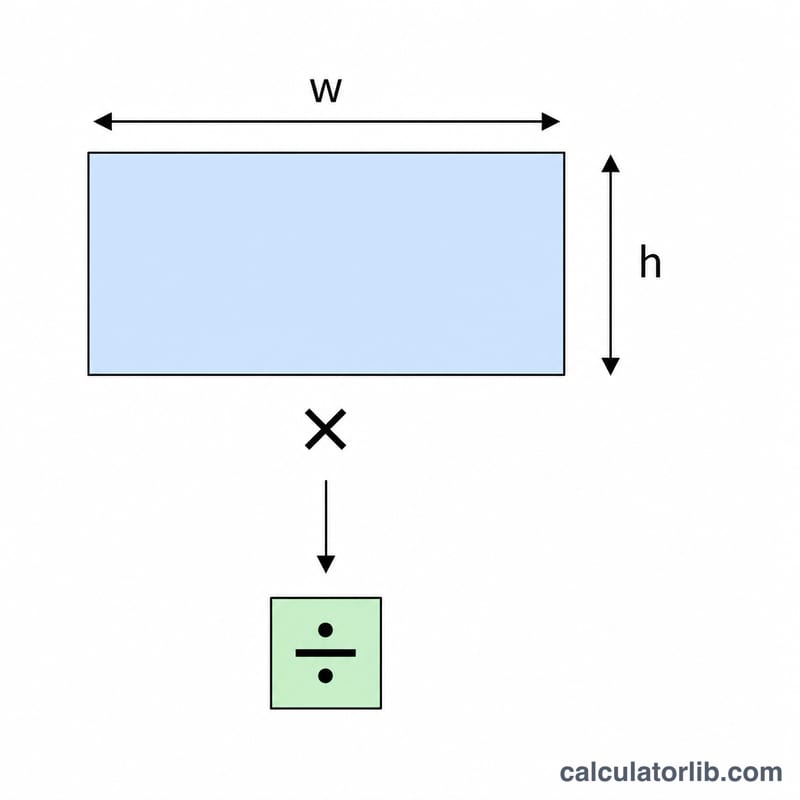
Enter the image or sensor width in pixels and the height in pixels, then read the result. For example, a 4K display is 3840 × 2160. The tool multiplies the two dimensions, divides by one million, and shows the megapixels rounded for easy reading. It also divides width by height to give the aspect ratio (so 16:9 widescreen shows as roughly 1.778 : 1).
The formula explained
The math is simple: $$\text{MP} = \frac{\text{width} \times \text{height}}{1{,}000{,}000}$$ First multiply the two pixel dimensions to get the total number of pixels, then divide by 1,000,000 because "mega" means million. Note that camera marketing sometimes rounds up — a "12 MP" sensor at 4032 × 3024 is actually 12,192,768 pixels, i.e. about 12.19 MP.
Worked example
Suppose you have a 6000 × 4000 photo from a DSLR. Total pixels = \(6000 \times 4000 = 24{,}000{,}000\). Megapixels = \(24{,}000{,}000 \div 1{,}000{,}000 = 24\) MP. Aspect ratio = \(6000 \div 4000 = 1.5\), i.e. a classic 3:2 frame.
FAQ
Does more megapixels mean a better photo? Not always — sensor size, lens quality, and pixel size matter just as much. More megapixels mean more detail and larger prints, but also bigger files.
How many megapixels for printing? A good 8×10 inch print at 300 DPI needs about 7.2 MP; an 11×14 needs roughly 13.9 MP.
Is 1 MP = 1,000,000 pixels? Yes, exactly one million pixels per megapixel.