
What Is Differential Pressure?
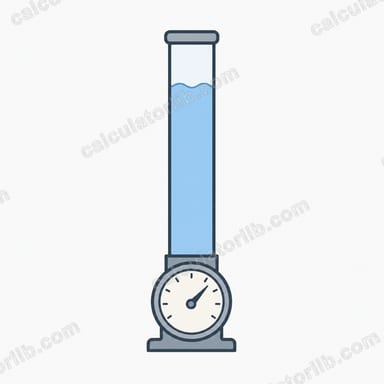
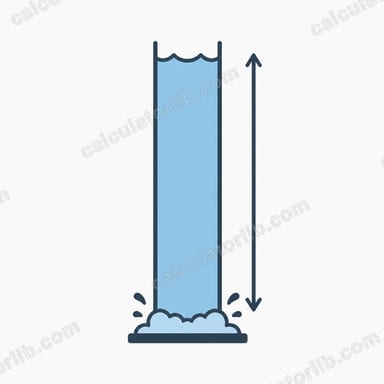
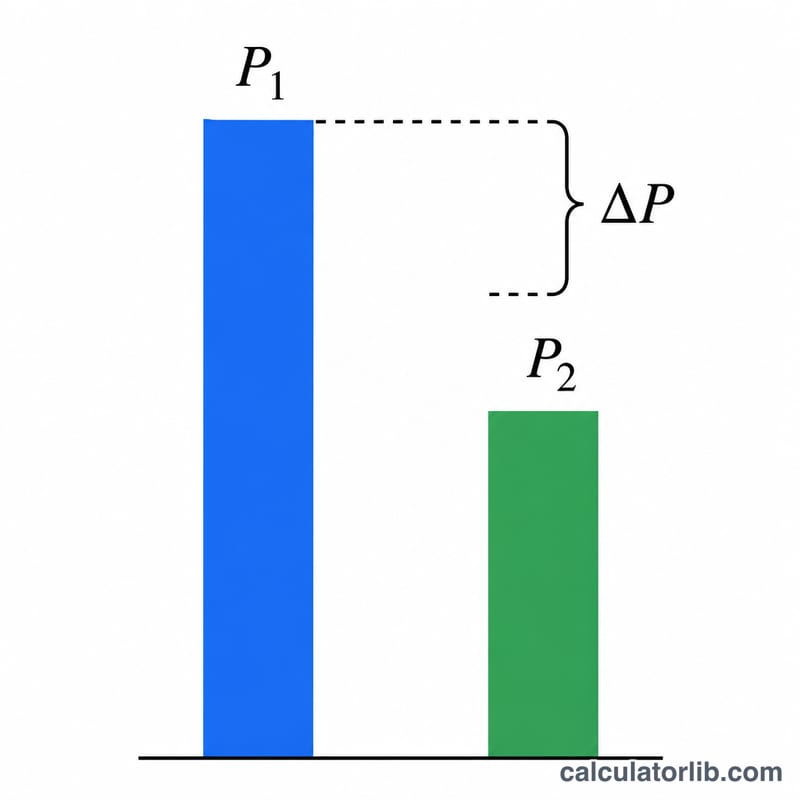
Differential pressure (\(\Delta P\), "delta P") is simply the difference between two pressure measurements taken at different points in a system. It is one of the most important quantities in fluid mechanics and process engineering, used to measure flow through orifice plates and venturis, monitor filter clogging, track liquid level in tanks, and confirm proper operation of HVAC and pump systems.
How to Use This Calculator
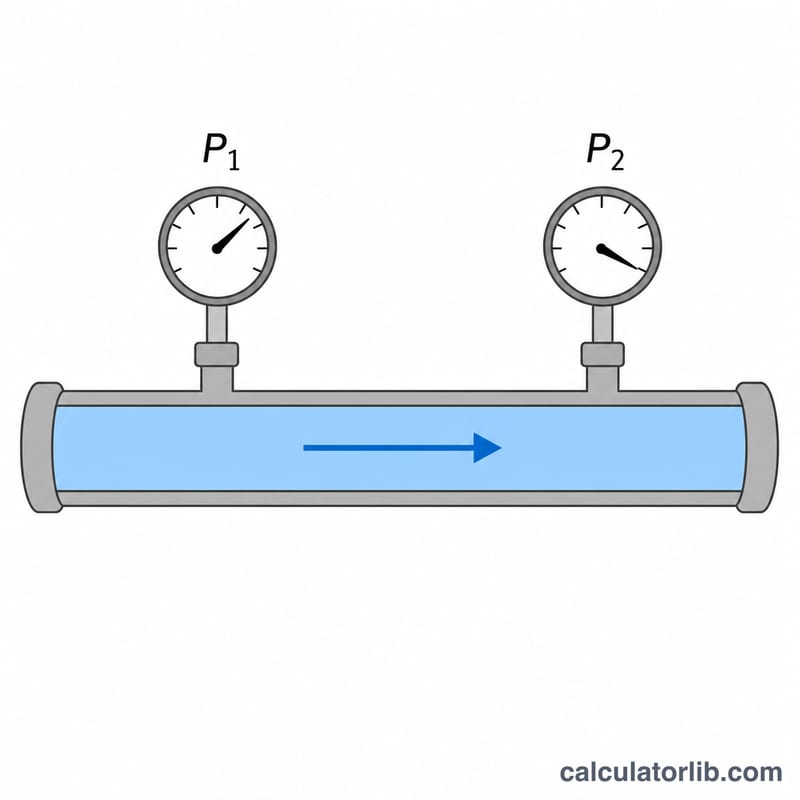
Enter the upstream (higher) pressure as P1 and the downstream (lower) pressure as P2, then choose a pressure unit. Both values must use the same unit. The calculator returns \(\Delta P\) along with its magnitude. A positive \(\Delta P\) means pressure drops in the direction of flow; a negative result means P2 is actually higher than P1.
The Formula Explained
The equation could not be simpler:
$$\Delta P = \text{P1 (Upstream)} - \text{P2 (Downstream)}$$
For example, if a pump delivers fluid at 100 psi (P1) and the pressure at the outlet of a filter reads 60 psi (P2), then:
$$\Delta P = 100 - 60 = 40 \text{ psi}$$
This 40 psi drop is the energy lost across the filter. A rising \(\Delta P\) over time typically signals a clogging filter that needs service.
Worked Example
An orifice meter shows an inlet pressure of 5.5 bar and an outlet pressure of 4.2 bar. The differential pressure is \(5.5 - 4.2 = 1.3\) bar, which can be plugged into a flow equation to estimate volumetric flow rate.
FAQ
Can \(\Delta P\) be negative? Yes. If P2 exceeds P1 the result is negative, indicating reverse pressure. The magnitude row shows the absolute size of the difference regardless of sign.
Do both pressures need the same unit? Yes — the calculator subtracts the raw values, so P1 and P2 must share a unit. Convert first if they differ.
What's the difference between gauge and absolute pressure? When both readings use the same reference (both gauge or both absolute), the differential is identical, because the reference cancels in the subtraction.