
What Is Lead Time?
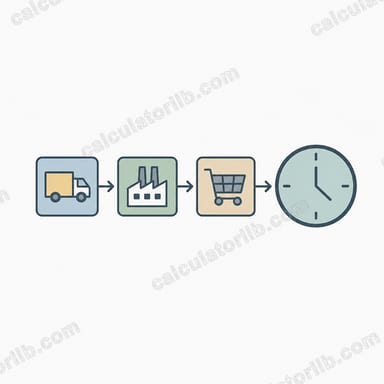
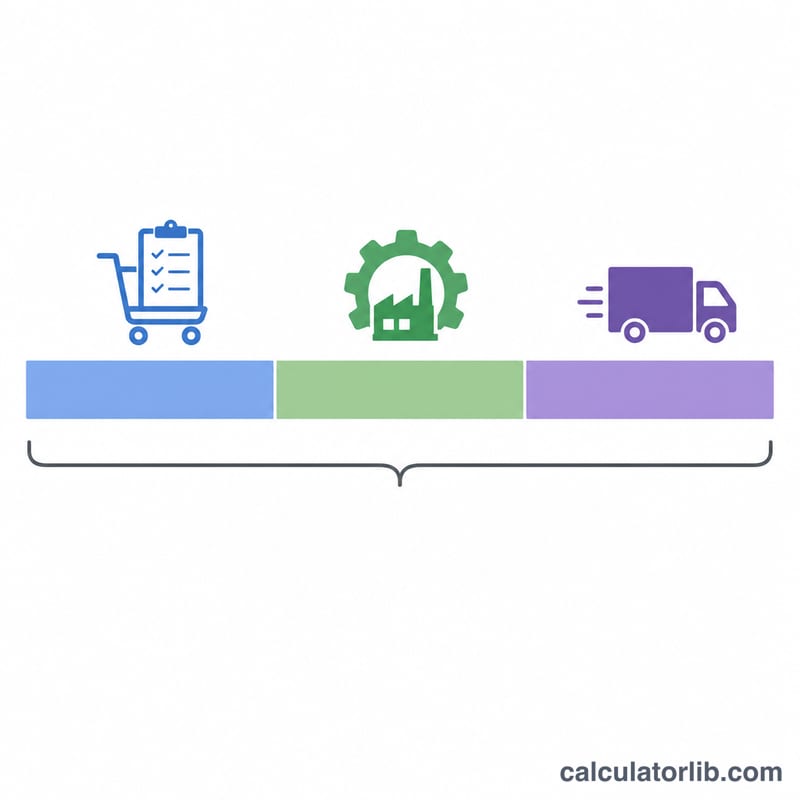
Lead time is the total elapsed time from the moment an order is placed until it is delivered and ready to use. In supply chain and inventory management, it is one of the most important metrics for planning purchases, setting reorder points, and keeping customers happy. This Lead Time Calculator breaks the cycle into its three core stages—procurement, manufacturing, and shipping—and adds them together to give you the total lead time in days and weeks.
How to Use the Calculator
Enter the number of days for each stage of your order cycle:
- Procurement / Sourcing Time — how long it takes to source raw materials or place the order with a supplier.
- Manufacturing / Production Time — how long the goods take to be produced or assembled.
- Shipping / Transit Time — how long delivery and customs clearance take.
The calculator instantly sums these values into a total lead time and converts it to weeks for easier planning.
The Formula Explained
The cumulative lead time formula is simply:
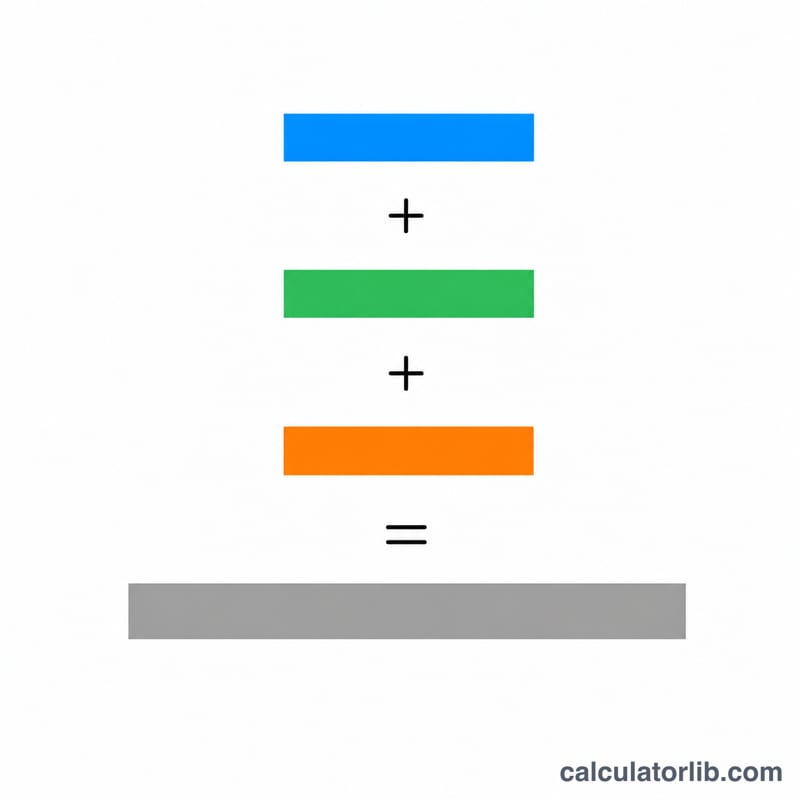
$$\text{Lead Time} = \text{Procurement} + \text{Manufacturing} + \text{Shipping}$$
If you already know your order placement date and expected delivery date, the lead time equals the number of calendar days between them. Both approaches measure the same thing—the total wait before goods are available.
Worked Example
Suppose a retailer places an order with these stage durations: procurement of 3 days, manufacturing of 7 days, and shipping of 5 days. The total lead time is $$3 + 7 + 5 = 15 \text{ days},$$ or about 2.14 weeks. The buyer should therefore reorder at least 15 days before stock runs out.
FAQ
What is a good lead time? Shorter is generally better, but the ideal depends on your industry. Many e-commerce sellers aim to keep total lead time under 30 days to reduce inventory risk.
Should I include buffer time? Yes—adding a safety buffer to shipping or manufacturing protects against delays and stockouts. Simply add the buffer days into the relevant stage.
What's the difference between lead time and cycle time? Lead time covers the entire customer-facing wait, while cycle time measures only the active production duration of a single unit.