
What Is Transferrin Saturation?
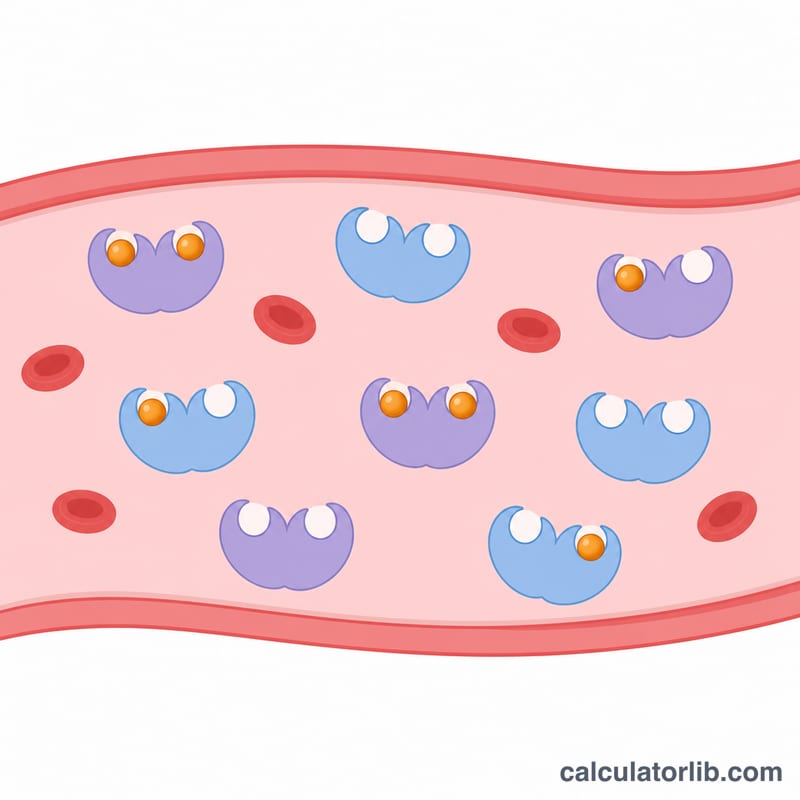
Transferrin saturation (TSAT) is a key marker in iron studies that expresses how much of the body's iron-transport protein, transferrin, is currently carrying iron. It is calculated by dividing serum iron by total iron-binding capacity (TIBC) and multiplying by 100. Clinicians use TSAT alongside ferritin to assess iron deficiency, iron overload, and conditions such as anemia of chronic disease.
How to Use the Calculator
Enter your serum iron value and your TIBC, both typically reported in micrograms per deciliter (µg/dL). The calculator divides serum iron by TIBC, multiplies by 100, and returns the saturation as a percentage. Make sure both lab values use the same units so the ratio is dimensionless.
The Formula Explained
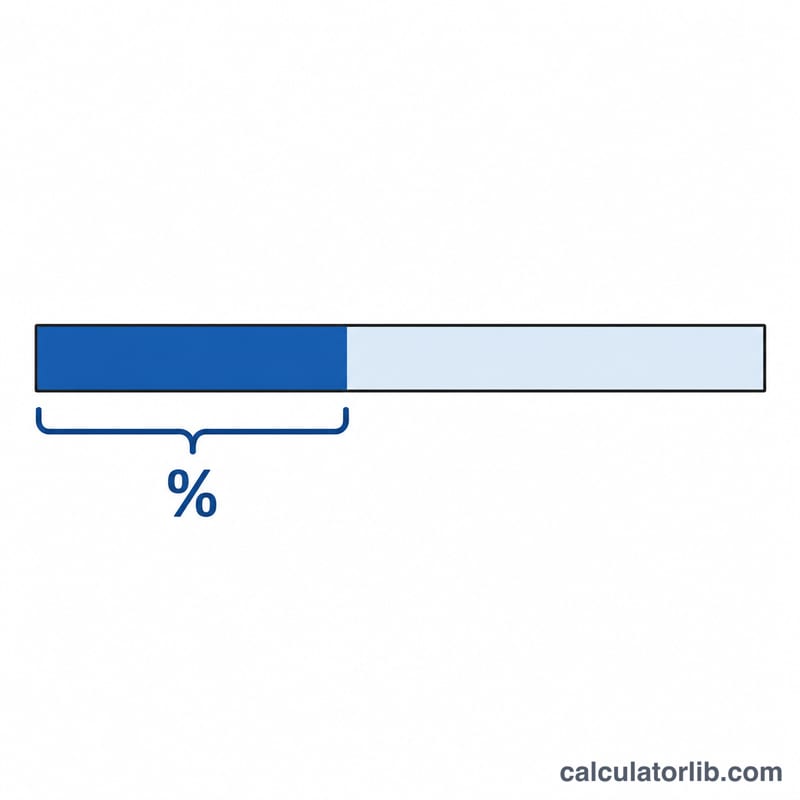
The equation is simply $$\text{TSAT \%} = \frac{\text{Serum Iron}}{\text{TIBC}} \times 100$$ TIBC reflects the maximum amount of iron the blood proteins can bind, so the ratio shows what fraction of that capacity is in use. A higher serum iron or a lower TIBC pushes the percentage up.
Worked Example
Suppose serum iron is 100 µg/dL and TIBC is 300 µg/dL. Then $$\text{TSAT} = \frac{100}{300} \times 100 = 33.33\%$$ This falls within the typical reference range of roughly 20–50% for adults.
FAQ
What is a normal TSAT? Most labs consider 20–50% normal, though reference ranges vary by lab and patient.
What does a low TSAT mean? A TSAT below about 20% often suggests iron deficiency, especially when ferritin is also low.
What does a high TSAT mean? Values above 45–50% may indicate iron overload conditions such as hemochromatosis and usually warrant further evaluation. This tool is for educational purposes and does not replace medical advice.