
What Is Cost Per Use?
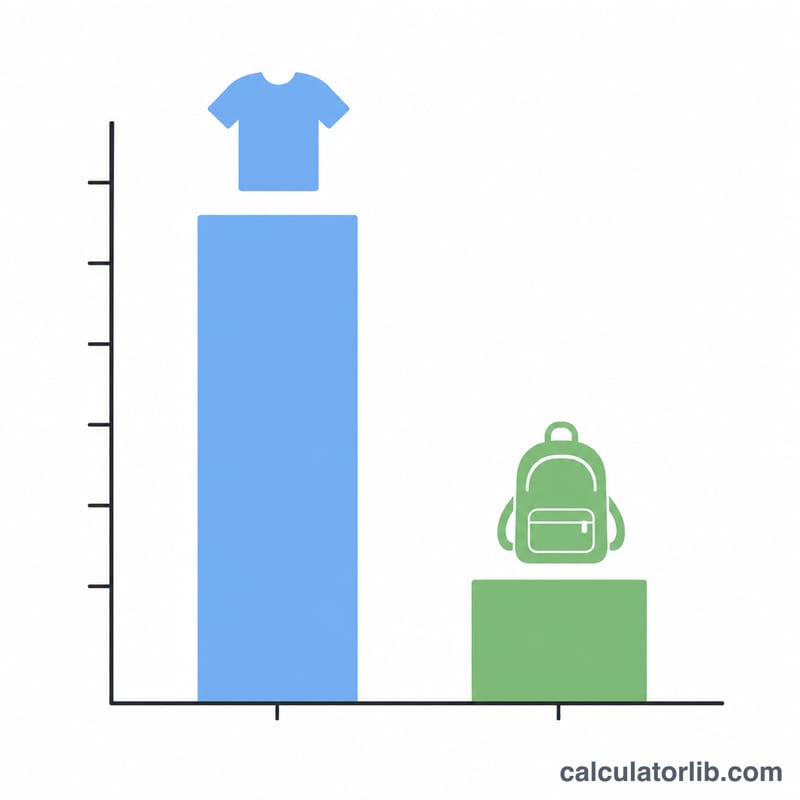
Cost per use is a simple but powerful way to judge whether a purchase is actually worth its price. Instead of focusing on the sticker price alone, it spreads the cost across every time you expect to use the item. A $200 coat worn 100 times costs just $2 per wear — often a better deal than a $30 coat worn twice.
How to Use This Calculator
Enter the purchase price of the item and your estimated number of uses over its lifetime. The calculator instantly divides the two to show the cost for each individual use. Compare that figure between competing products to decide which one delivers the best long-term value.
The Formula Explained
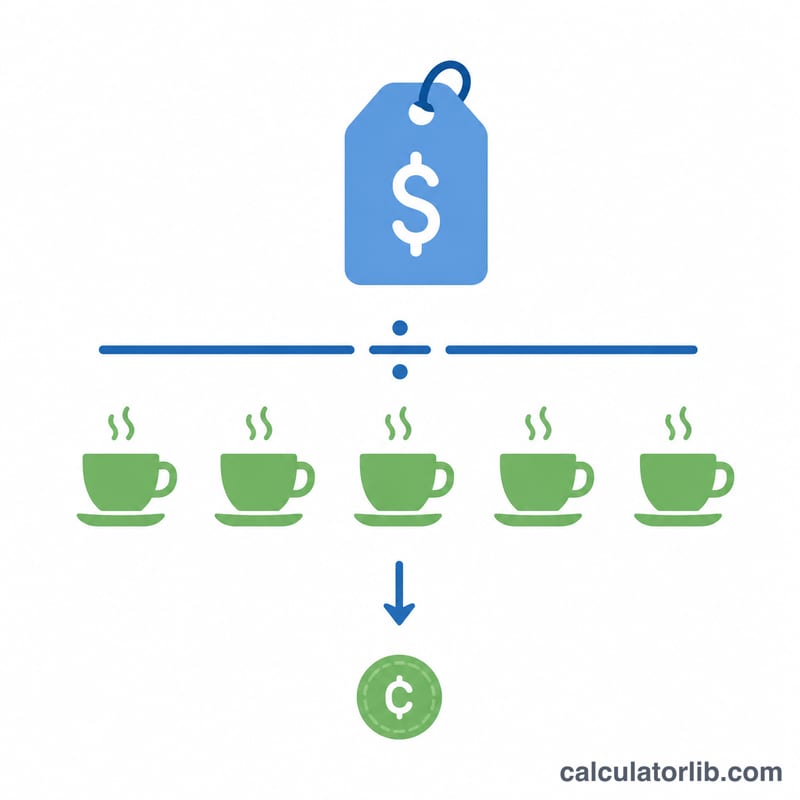
The math is straightforward: $$\text{Cost Per Use} = \frac{\text{Purchase Price}}{\text{Number of Uses}}$$ The higher the number of uses, the lower the cost per use, which is why durable, frequently-used items often justify a higher upfront price. Always estimate uses honestly — overestimating makes a poor buy look smart.
Worked Example
Suppose you buy a quality pair of running shoes for $120 and expect to run in them 240 times before replacing them. The cost per use is $$\$120 \div 240 = \$0.50 \text{ per run}$$ A cheaper $60 pair that only lasts 60 runs costs $1.00 per run — twice as much per use despite the lower price.
FAQ
Should I include maintenance costs? For a more complete picture, add cleaning, repair, or accessory costs to the purchase price before dividing.
How do I estimate number of uses? Think about realistic frequency (e.g. uses per week) multiplied by how many weeks you expect to own the item.
Is a lower cost per use always better? Generally yes, but also weigh quality, enjoyment, and need — value is more than a single number.