
What Is a Shift Differential?
A shift differential is extra pay employers offer for working less desirable hours — typically evening, overnight (graveyard), or weekend shifts. It is usually expressed as a percentage added on top of your base hourly rate. This calculator turns that percentage into real dollars, showing your effective hourly rate and total pay for a shift.
How to Use This Calculator
Enter three values: your base hourly rate (your normal wage), the shift differential percentage your employer pays for the shift, and the number of hours you worked. The calculator instantly returns your total shift pay, your differential-adjusted effective hourly rate, your base pay without the differential, and the extra dollars the differential adds.
The Formula Explained
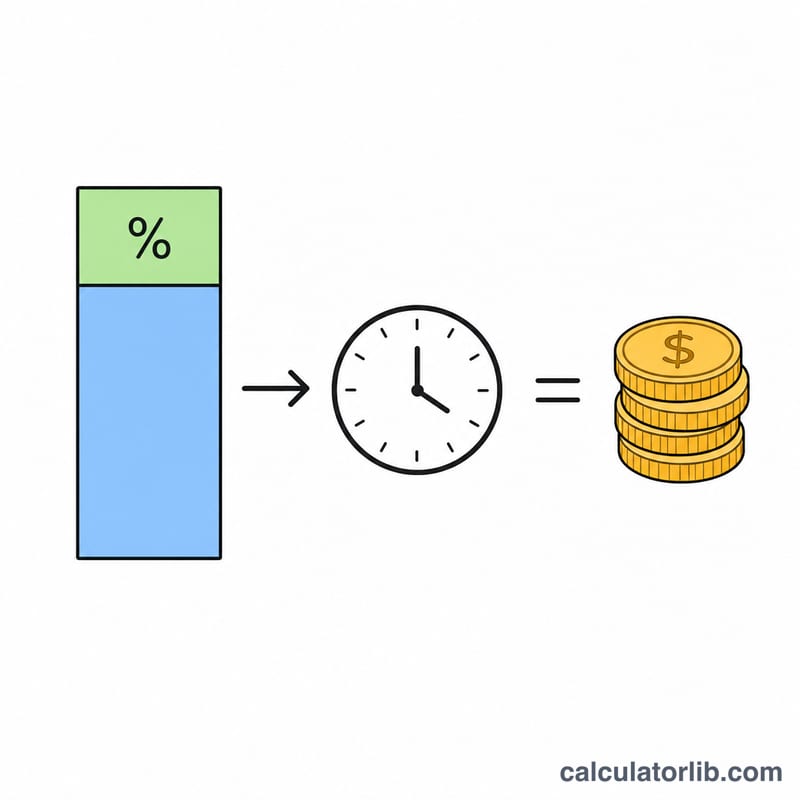
The math is simple. Convert the differential percent to a decimal (divide by 100), add 1, then multiply by your base rate to get the effective rate. Multiply that by hours for total pay:
$$\text{Shift Pay} = \text{Base Rate} \times \left(1 + \frac{\text{Differential \%}}{100}\right) \times \text{Hours}$$
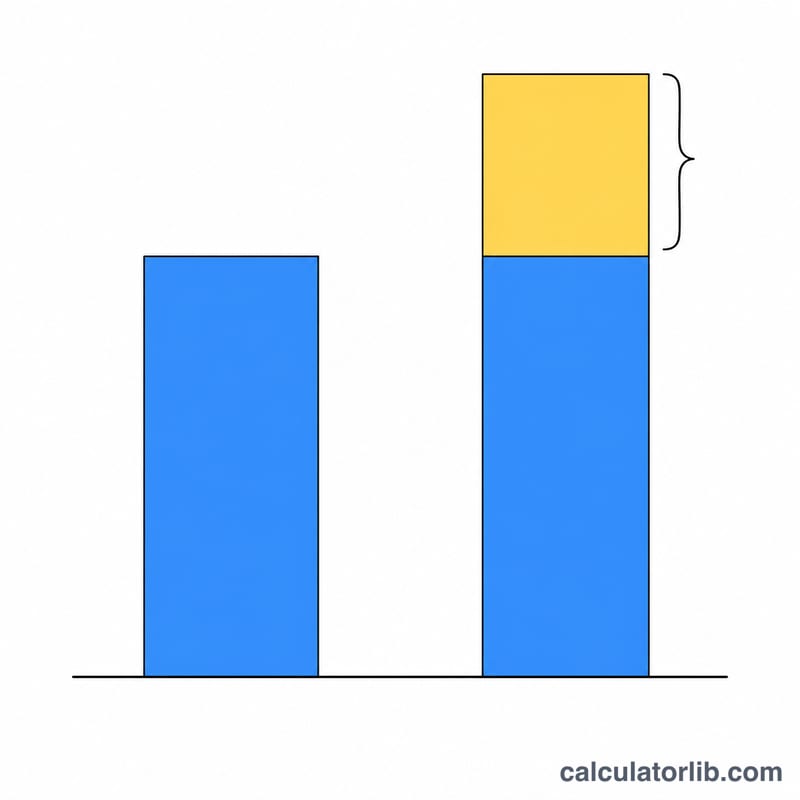
The differential amount alone equals total shift pay minus what you'd earn at the plain base rate.
Worked Example
Suppose you earn $20.00/hour and work an 8-hour night shift that pays a 10% differential. Your effective rate is \(20 \times (1 + 0.10) = \$22.00\)/hour. Total shift pay is \(22 \times 8 = \$176.00\):
$$\text{Shift Pay} = 20 \times \left(1 + \frac{10}{100}\right) \times 8 = \$176.00$$
Without the differential you'd earn \(20 \times 8 = \$160.00\), so the differential adds $16.00.
FAQ
Is shift differential taxable? Yes — differential pay is ordinary wages and is taxed like the rest of your earnings.
Does it count toward overtime? In many jurisdictions shift differential is included in the "regular rate" used to calculate overtime. Check your local labor rules.
Can the differential be a flat dollar amount instead of a percent? Some employers pay a flat add-on (e.g. +$2/hour). This tool assumes a percentage; for a flat amount, add it to your base rate first.