
What Is the Direct Material Price Variance?
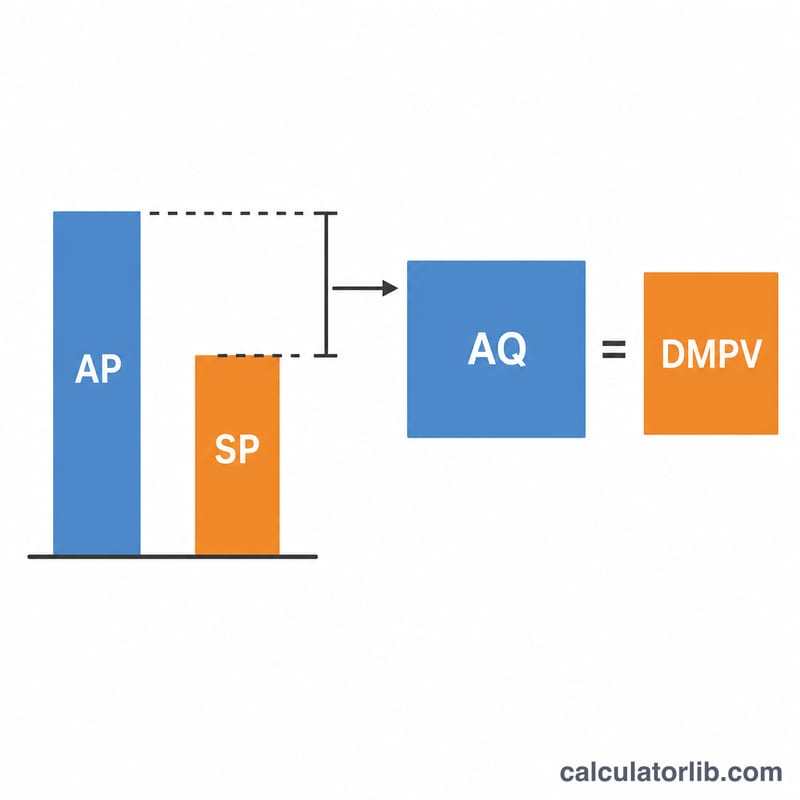
The Direct Material Price Variance (DMPV) measures the difference between what a company actually paid for raw materials and what it expected (budgeted) to pay, based on the quantity actually purchased. It is a core metric in standard costing and variance analysis, helping purchasing and operations managers understand whether material costs are tracking to plan.
How to Use This Calculator
Enter three values: the actual price you paid per unit of material, the standard (budgeted) price per unit, and the actual quantity of units purchased. The calculator multiplies the price difference by the quantity and tells you whether the variance is favorable or unfavorable.
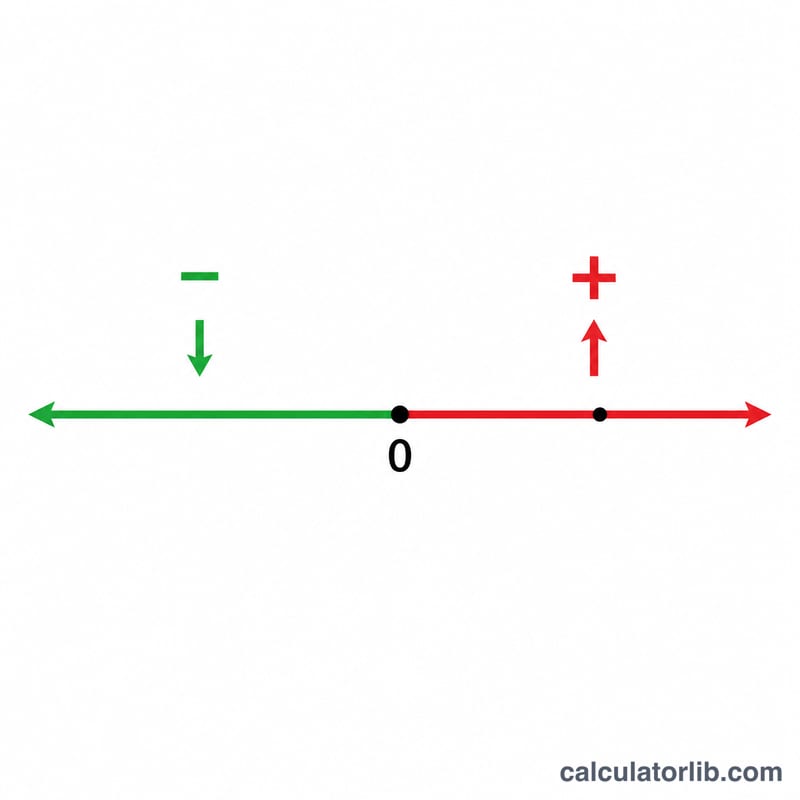
A positive result is unfavorable — you paid more than standard. A negative result is favorable — you paid less than standard.
The Formula Explained
$$\text{DMPV} = \left( \text{Actual Price} - \text{Standard Price} \right) \times \text{Actual Quantity Purchased}$$ The term in parentheses is the per-unit price gap; multiplying by the number of units scales it to the total monetary impact for the period.
Worked Example
Suppose you purchased 10,000 kg of steel at $5.20 per kg, while your standard cost was $5.00 per kg. The price difference is \(\$5.20 - \$5.00 = \$0.20\) per kg. Multiplying by 10,000 kg gives a variance of $2,000. The full calculation is $$\text{DMPV} = \left( \$5.20 - \$5.00 \right) \times 10{,}000 = \$2{,}000$$ Because the result is positive, the variance is unfavorable — you spent $2,000 more on materials than budgeted.
FAQ
What does a favorable variance mean? It means the actual price was lower than the standard price, reducing costs versus plan.
Should I use quantity purchased or quantity used? The price variance is conventionally based on the quantity purchased, so it can be isolated at the point of purchase. The usage variance uses quantity consumed.
What causes a material price variance? Common drivers include supplier price changes, bulk discounts, rush orders, freight costs, or buying a different grade of material than planned.