
什麼是損益平衡點?
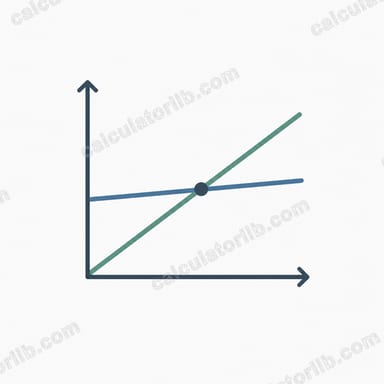
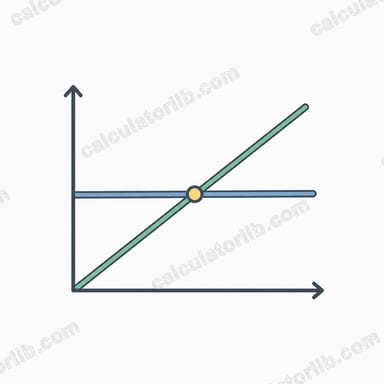
損益平衡點(Break-Even Point)是指企業的總收入剛好等於總成本的營運水準——在這一點上既不賺錢也不虧損。低於損益平衡點會虧損,高於它才開始獲利。這個計算機只要輸入固定成本、單位售價與單位變動成本,就能立即算出你需要賣出多少數量、達到多少銷售額才能損益兩平。
損益平衡點公式
損益平衡點的核心公式如下:
\( \text{損益平衡點(數量)} = \dfrac{\text{固定成本}}{\text{單位售價} - \text{單位變動成本}} \)
其中,分母「單位售價 − 單位變動成本」稱為單位貢獻邊際,代表每賣出一個產品可以貢獻多少金額來回收固定成本。相關公式還包括:
- \( \text{單位貢獻邊際} = \text{單位售價} - \text{單位變動成本} \)
- \( \text{損益平衡銷售額} = \text{損益平衡數量} \times \text{單位售價} \)
- \( \text{貢獻邊際率} = \dfrac{\text{單位貢獻邊際}}{\text{單位售價}} \times 100\% \)
如何計算損益平衡點
- 先算出單位貢獻邊際:用單位售價減去單位變動成本。
- 將固定成本除以單位貢獻邊際,得到損益平衡的數量。
- 把損益平衡數量乘以單位售價,得到損益平衡的銷售額。
計算範例
假設某公司固定成本為 300,000 元、單位售價 500 元、單位變動成本 300 元:
- 單位貢獻邊際 = 500 − 300 = 200 元
- 損益平衡點(數量)= 300,000 ÷ 200 = 1,500 個
- 損益平衡銷售額 = 1,500 × 500 = 750,000 元
- 貢獻邊際率 = 200 ÷ 500 = 40%
也就是說,這家公司至少要賣出 1,500 個產品、達到 750,000 元營收,才能損益兩平。
Advertisement
損益平衡分析有什麼用?
損益平衡分析能幫助你設定合理定價、評估新產品或新事業是否可行、了解降低固定成本或變動成本對獲利的影響,並設定實際可行的銷售目標。
常見問題
固定成本與變動成本有什麼不同? 固定成本不隨產量變動(如租金、薪資、保險);變動成本則隨每多生產一個單位而增加(如原料、包裝、運費)。
貢獻邊際率越高越好嗎? 一般而言是的——貢獻邊際率越高,代表每一元營收中能用來回收固定成本與創造利潤的比例越高,達到損益平衡也越快。
相關計算機
- 邊際貢獻計算機——計算貢獻毛利與貢獻率。
- 毛利計算器——計算營業毛利與毛利率。
- 利潤率計算機——毛利率、利潤與加成一次算清。
- 加價計算機——由成本與加成計算售價。
- ROI 投資報酬率計算機——計算投資報酬率。