
What Is the Rent-to-Income Ratio?
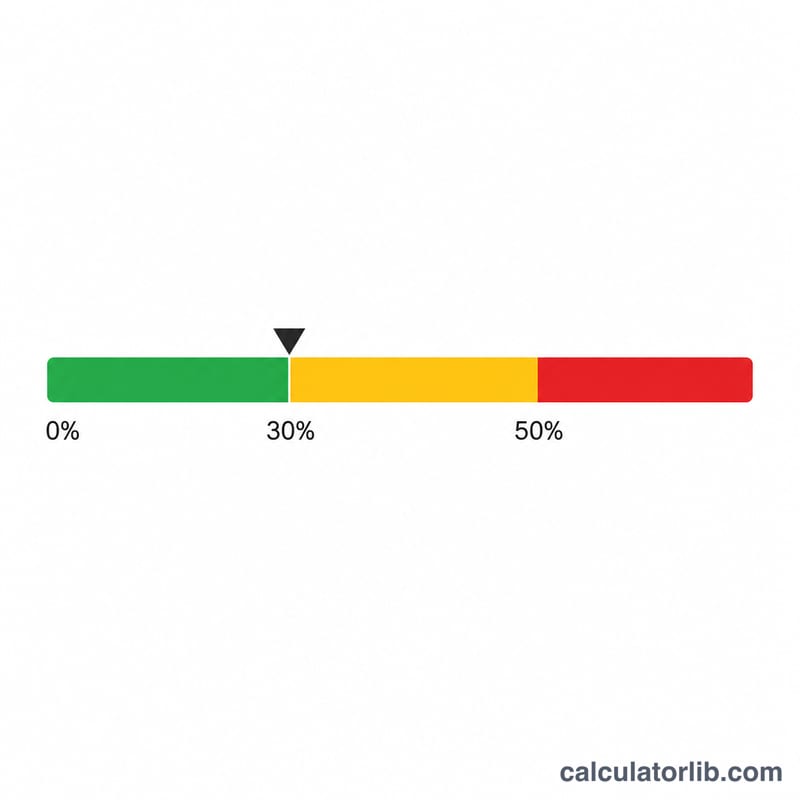
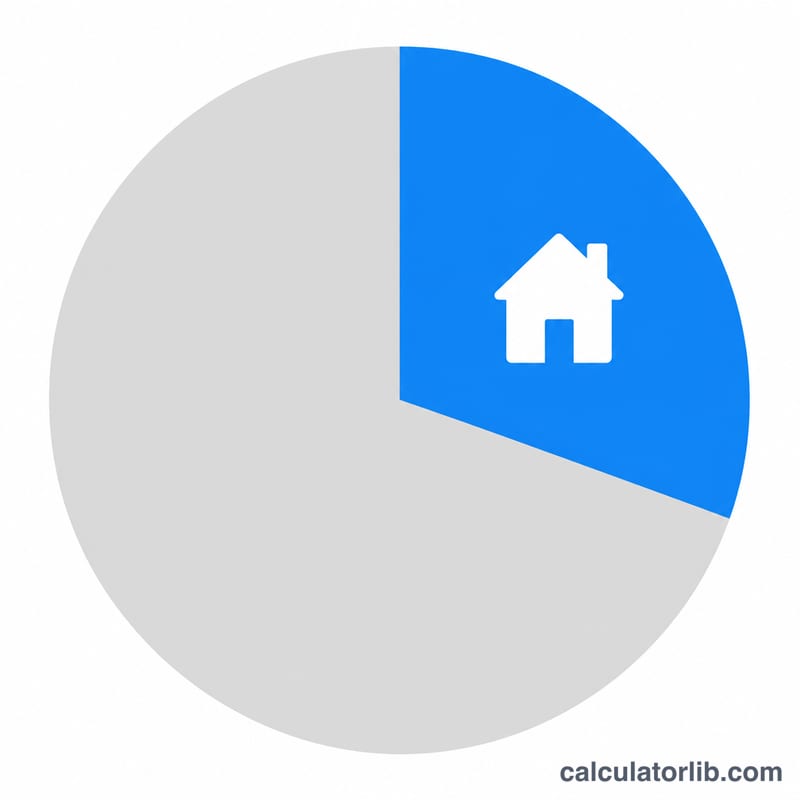
The rent-to-income ratio measures how much of your gross (pre-tax) monthly income is spent on rent. It is a quick affordability check used by tenants and landlords alike. Many landlords require that rent be no more than about 30% of your gross income, and a lower ratio leaves more room for savings, food, and other bills.
How to Use This Calculator
Enter your monthly rent and your gross monthly income (before taxes and deductions). The calculator divides rent by income and multiplies by 100 to give a percentage. It also shows the recommended maximum rent based on the popular 30% rule and an affordability verdict.
The Formula Explained
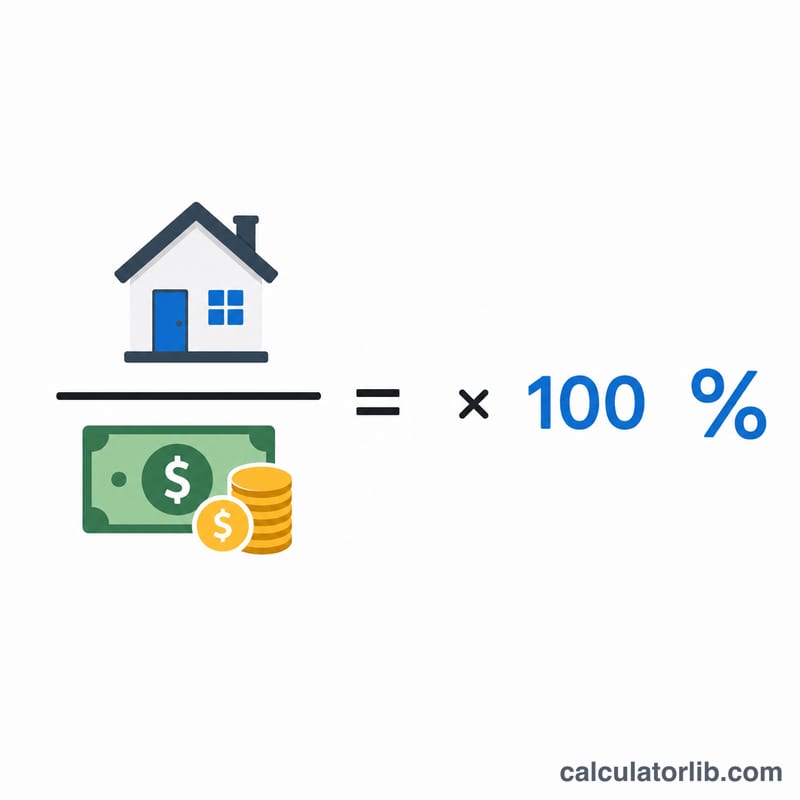
The math is simple: $$\text{Ratio} = \frac{\text{Monthly Rent}}{\text{Gross Monthly Income}} \times 100\%$$. A result at or below 30% is generally considered affordable, 31–40% is stretched, and above 40% is often viewed as unaffordable or a financial risk.
Worked Example
Suppose your rent is $1,500 and your gross monthly income is $5,000. The ratio is $$(1{,}500 \div 5{,}000) \times 100 = 30\%$$ That sits right at the recommended threshold. Your suggested maximum rent under the 30% rule would be \(5{,}000 \times 0.30 = \$1{,}500\) — exactly your current rent.
FAQ
Should I use gross or net income? Most landlords and the 30% rule use gross (pre-tax) income, which is what this calculator assumes.
What is a good rent-to-income ratio? 30% or lower is the traditional benchmark, leaving enough for other living costs and savings.
Does this include utilities? No — it uses base rent only. If utilities are a major cost, add them to the rent figure for a fuller picture.