
What this calculator does
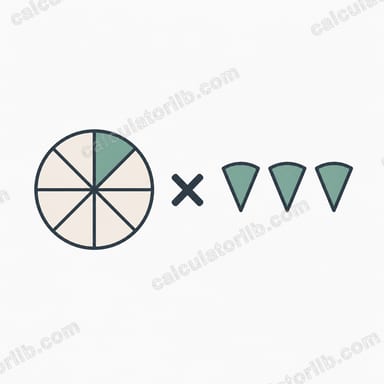
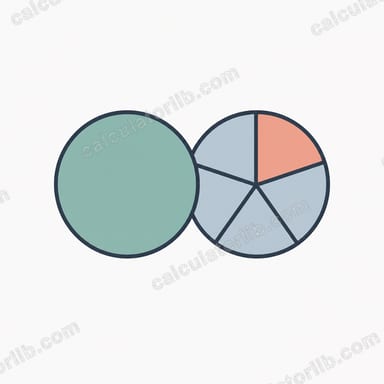
This tool divides a whole number by a fraction. Enter a whole number n and a fraction a/b, and it returns the exact answer as a simplified fraction plus a decimal value. It is handy for homework, cooking, woodworking, and any time you need to know "how many a/b-sized pieces fit into n."
The formula explained
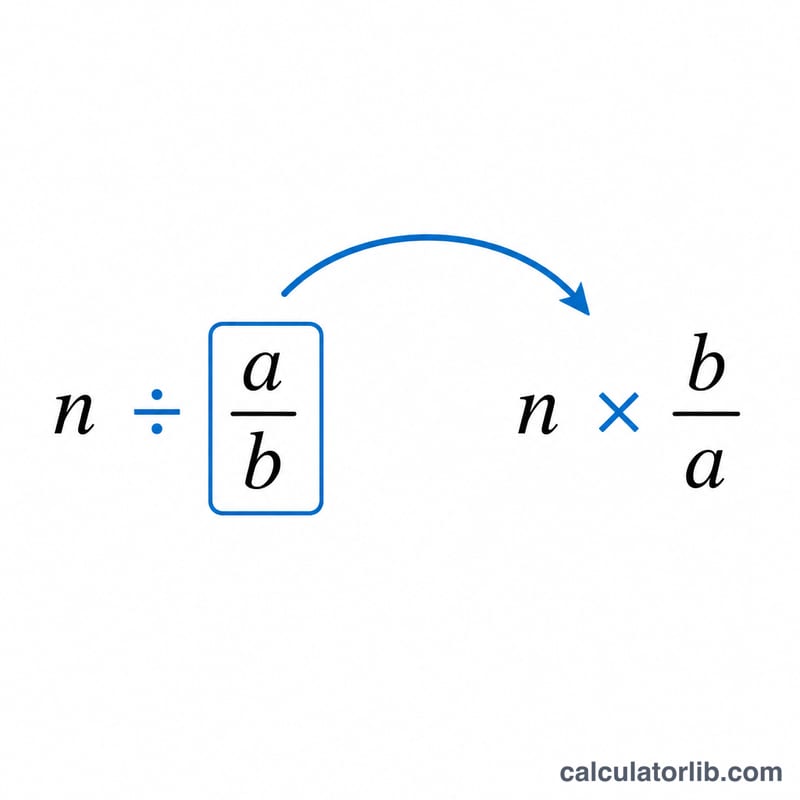
Dividing by a fraction is the same as multiplying by its reciprocal (the fraction flipped upside down):
$$\text{n} \div \frac{\text{a}}{\text{b}} = \text{n} \times \frac{\text{b}}{\text{a}} = \frac{\text{n} \times \text{b}}{\text{a}}$$
So you multiply the whole number by the denominator, then divide by the numerator. The "keep, change, flip" rule you may remember from school is exactly this: keep the first number, change division to multiplication, and flip the fraction.
Worked example
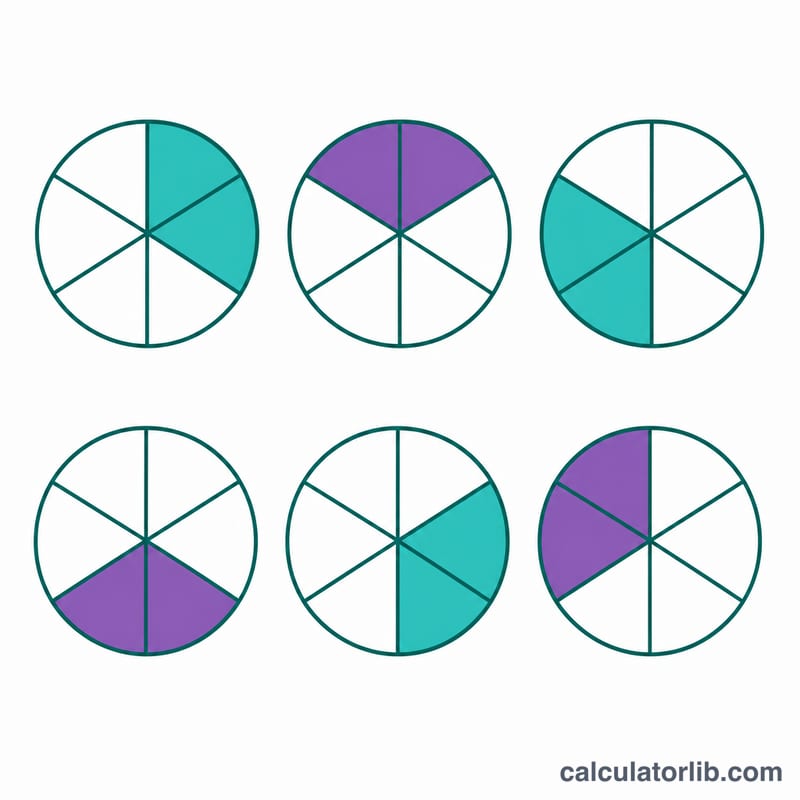
Suppose you want to divide 6 by 2/3. Using the formula: $$6 \div \frac{2}{3} = \frac{6 \times 3}{2} = \frac{18}{2} = 9$$ So six wholes contain nine two-thirds. As a decimal the answer is exactly 9.
Another example: \(5 \div \frac{1}{4} = \frac{5 \times 4}{1} = 20\). There are twenty quarters in five wholes.
How to use it
Type the whole number, the fraction's numerator, and the fraction's denominator into the three boxes, then read the simplified fraction and decimal result. The calculator also shows the unreduced fraction \(\frac{\text{n} \times \text{b}}{\text{a}}\) so you can follow the steps.
FAQ
Why does dividing by a fraction make the number bigger? Because a proper fraction is less than 1, dividing by it asks how many small pieces fit inside, which is more than the original number.
What if the denominator b is zero? A fraction with a zero denominator is undefined, so use a non-zero denominator.
Can n be negative? Yes. The calculator keeps the correct sign on the result.