
What Is Sell-Through Rate?
Sell-through rate (STR) is a retail and e-commerce metric that shows what percentage of the inventory you received was actually sold during a specific period — typically a month. It helps you judge how well a product is performing, whether you ordered too much, and when to reorder, mark down, or discontinue a SKU. A high sell-through rate means demand is keeping pace with supply, while a low rate signals slow-moving stock that ties up cash and shelf space.
How to Use This Calculator
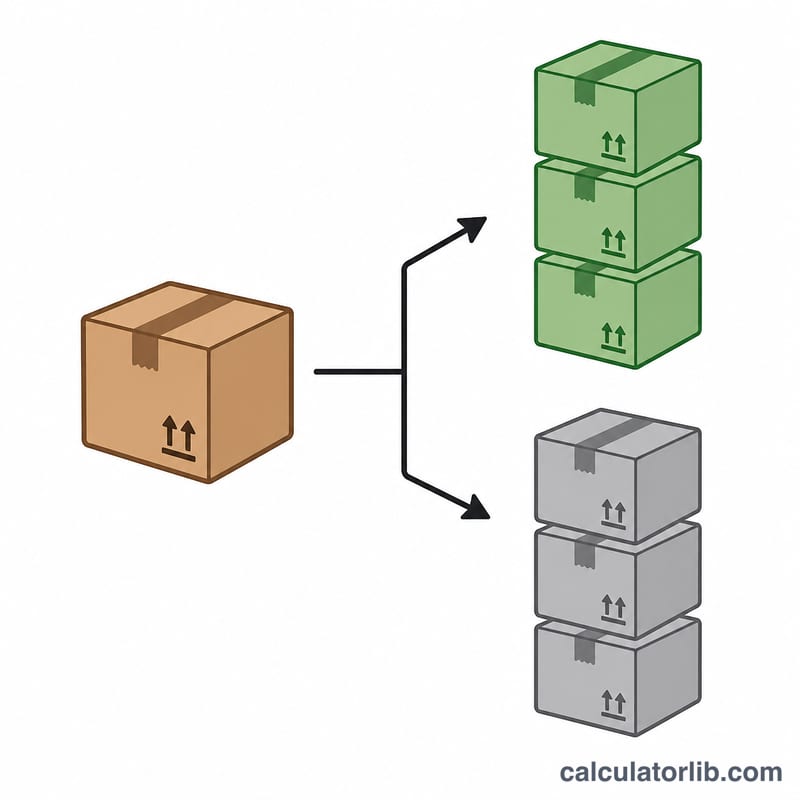
Enter the number of units sold during your chosen period and the number of units received (the inventory you took in at the start, or received plus on-hand). The calculator returns your sell-through rate as a percentage, along with the units remaining. Use the same time window for both numbers to keep the result meaningful.
The Formula Explained
The calculation is simple: divide units sold by units received, then multiply by 100 to express it as a percentage.
$$\text{Sell-Through Rate} = \frac{\text{Units Sold}}{\text{Units Received}} \times 100\%$$
For example, if you received 500 units and sold 150 of them, your STR is \((150 \div 500) \times 100 = 30\%\), leaving 350 units remaining. Many retailers aim for a monthly sell-through rate between 40% and 80%, but the ideal target depends on your margins, lead times, and product category.
FAQ
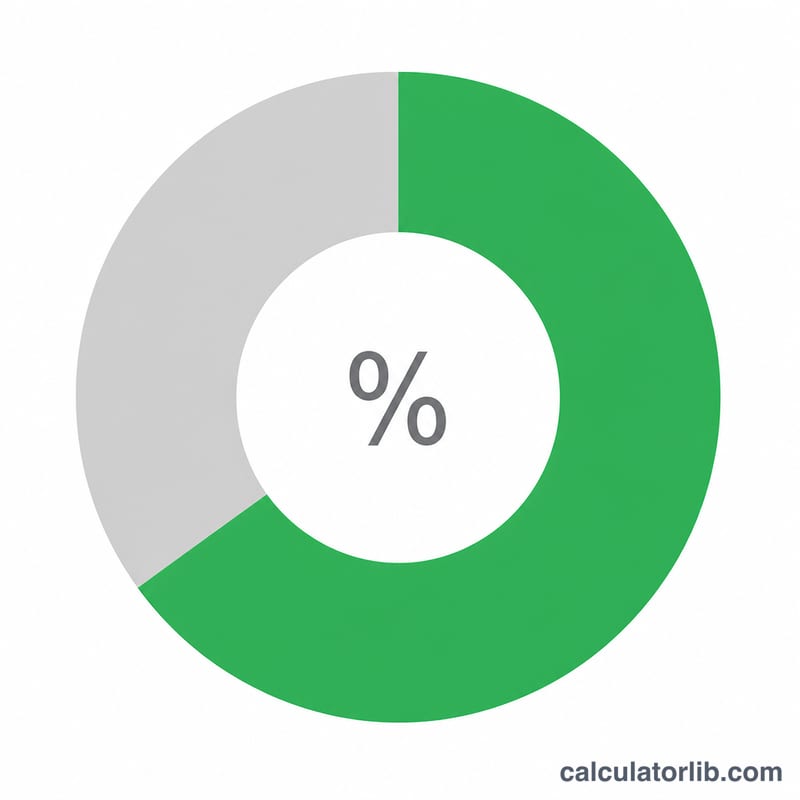
What is a good sell-through rate? A common benchmark is around 40–80% per month. Lower rates may mean overstock or weak demand; very high rates may mean you're under-ordering and missing sales.
How is STR different from inventory turnover? Sell-through compares sales to a single batch of received stock over one period, while inventory turnover measures how many times total inventory cycles over a longer period (often a year).
Can sell-through rate exceed 100%? In this basic version it can if you sold more units than you received in the window (e.g., selling from prior stock). Match your sold and received figures to the same inventory batch for the clearest picture.