
What is the Denver HIV Risk Score?
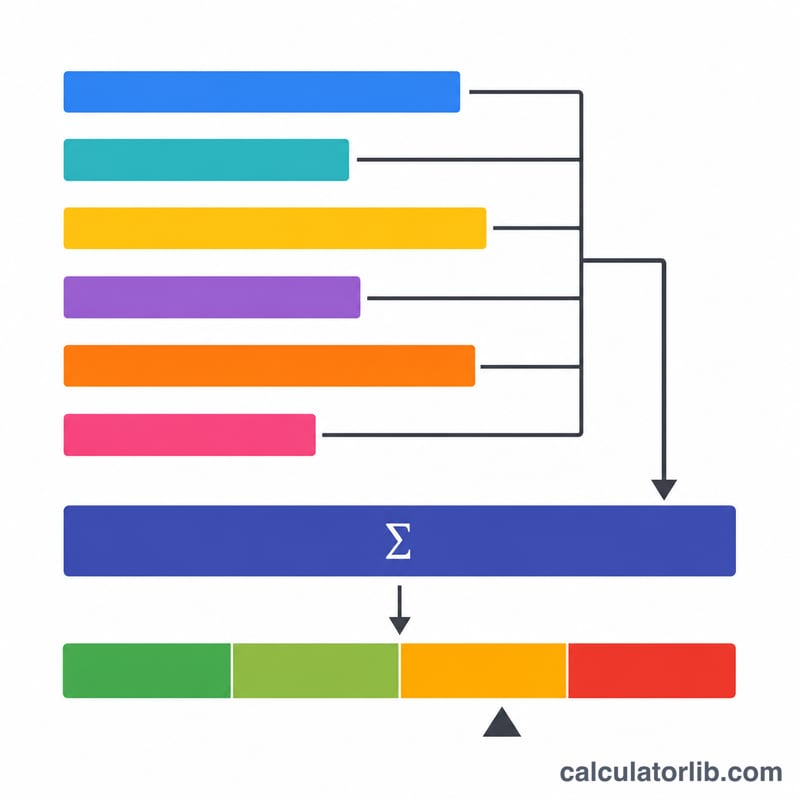
The Denver HIV Risk Score is a validated screening tool (developed at Denver Health, United States) that estimates the likelihood of an undiagnosed HIV infection in adults and adolescents presenting for care. It assigns weighted points to six readily available predictors — age, gender, race/ethnicity, sexual practices, injection drug use, and prior HIV testing — and sums them into a single score that maps onto an estimated HIV prevalence band. It was designed to help clinicians prioritize who would benefit most from HIV testing.
How to use this calculator
Select the option that best describes the patient for each of the six categories, then read the total score and the corresponding risk category. The higher the score, the higher the estimated background prevalence of HIV in similar individuals, and the stronger the case for testing. This is a risk-stratification aid, not a diagnostic test — all individuals can be offered routine HIV screening regardless of score.
The formula explained
The model is purely additive: each answer contributes a fixed number of points (some negative, such as having been previously tested or reporting receptive anal intercourse in the original scoring):
$$\text{Score} = \text{Age} + \text{Gender} + \text{Race} + \text{Practice} + \text{Injection Drug Use} + \text{Prior Test}$$The total is then banded: under 20 points is very low risk (~0.31% prevalence), 20–29 low (~0.41%), 30–39 moderate (~0.99%), 40–49 high (~1.59%), and 50 or more very high (~3.59%).
Worked example
A 30-year-old Black man who has sex with men, no injection drug use, never previously tested: age (26–32) = 6, male = 21, Black = 9, MSM = 22, no IDU = 0, never tested = 0. Total =
$$6 + 21 + 9 + 22 + 0 + 0 = 58 \text{ points} \rightarrow \text{very high risk}$$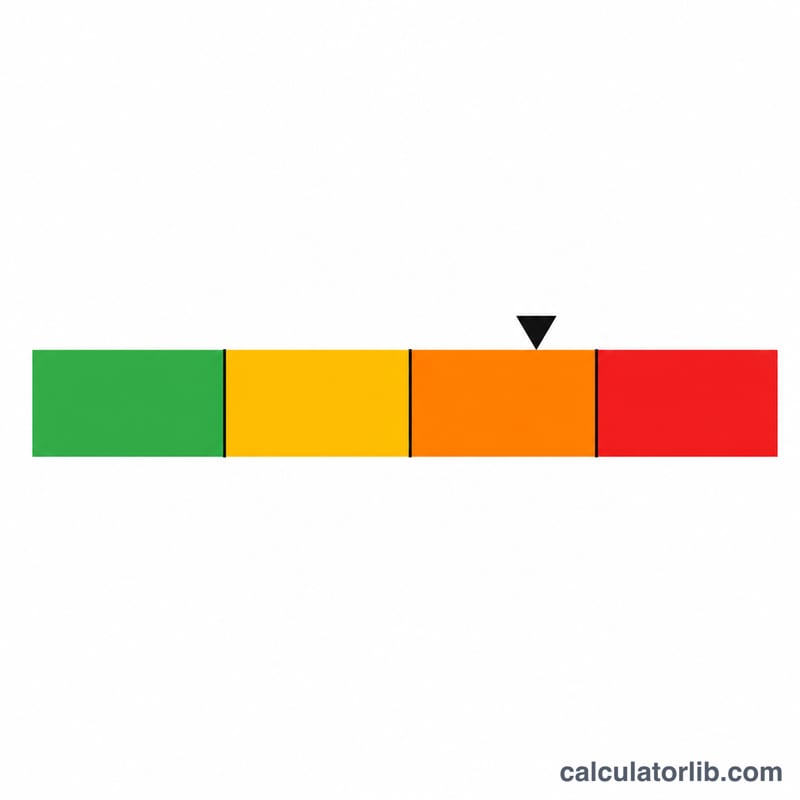
FAQ
Is a high score a diagnosis? No. It only flags elevated probability and the value of testing.
Can a negative total occur? Yes, low-risk profiles can produce a score near or below zero; these fall in the very low risk band.
Who should use it? Primarily clinicians in US emergency and primary-care settings to target HIV screening efforts.