
What the Trapezoid Area Calculator Does
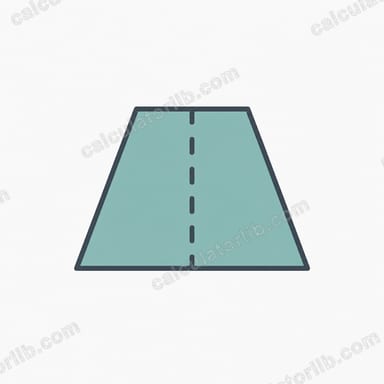
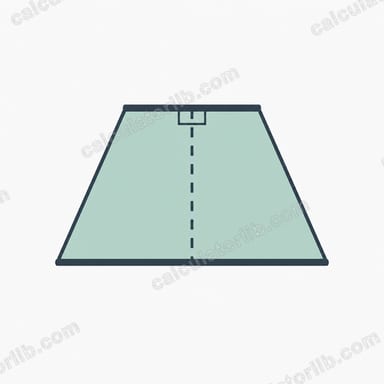
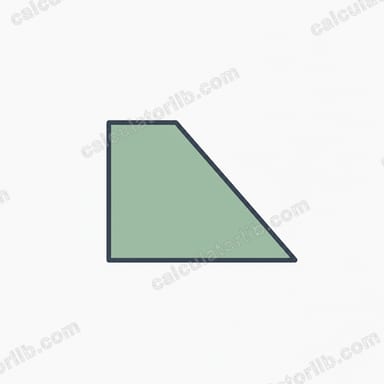
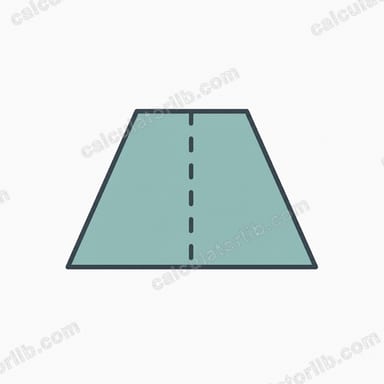
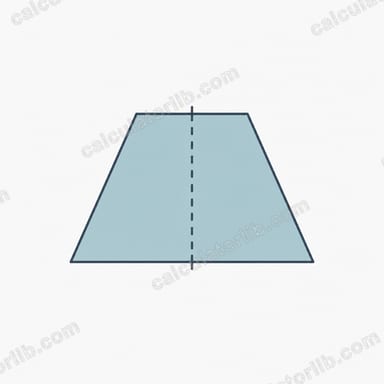
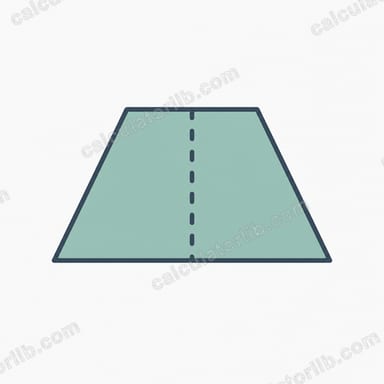
This calculator finds the area of a trapezoid — a four-sided shape with one pair of parallel sides. Instead of working through the geometry by hand, you enter three measurements and the tool returns the area instantly. It works with any consistent unit (centimetres, metres, inches, feet), so the result simply comes back in those units squared.
The Inputs You Provide
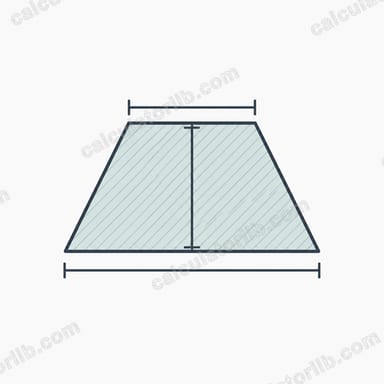
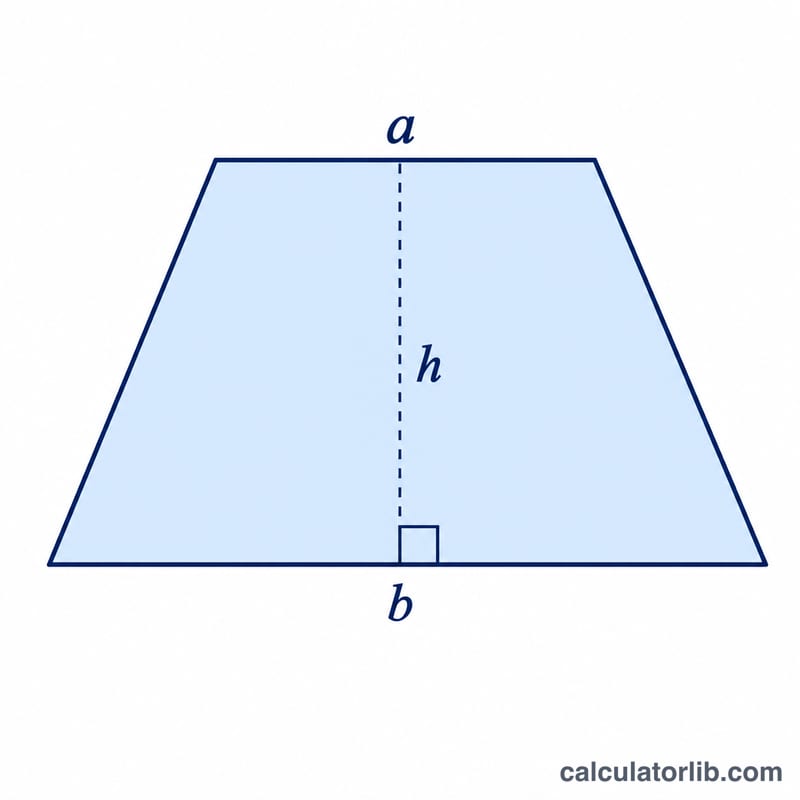
- Top Base Length — the length of the shorter (or upper) parallel side.
- Bottom Base Length — the length of the other parallel side.
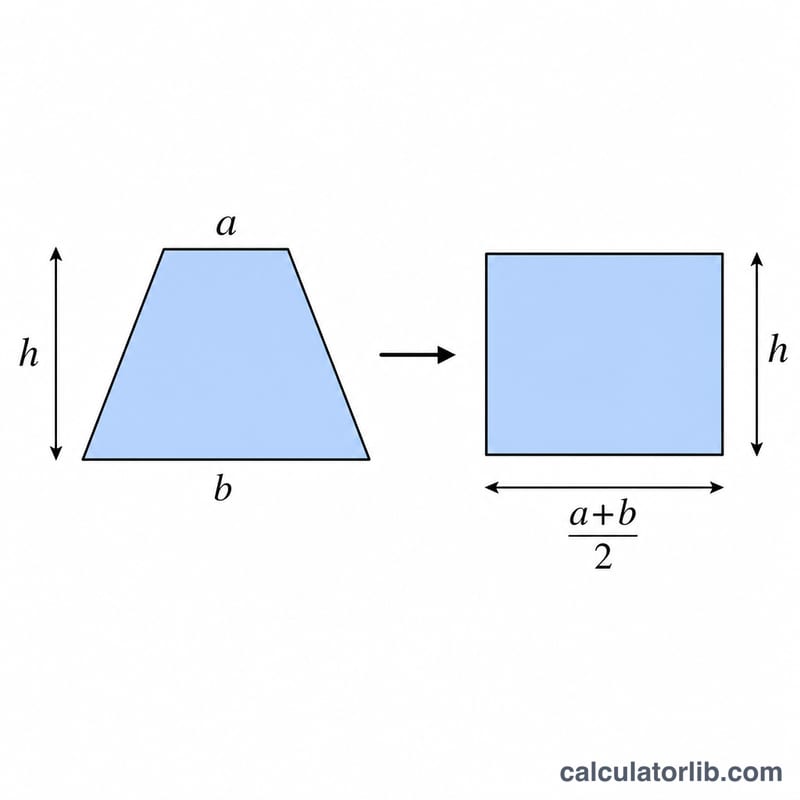
- Height — the perpendicular distance between the two parallel sides. This is not the slanted side; it is the straight-line gap measured at a right angle.
The labels "top" and "bottom" are interchangeable — what matters is that both values are the two parallel sides. The height must be measured perpendicular to them for an accurate result.
The Formula Explained
The calculator uses the standard trapezoid area formula:
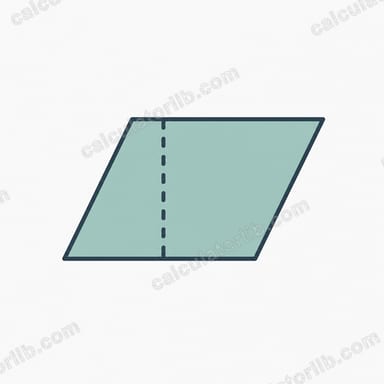
$$\text{Area} = \frac{1}{2} \times \left( \text{Top Base} + \text{Bottom Base} \right) \times \text{Height}$$In plain terms, it averages the two parallel sides — \((\text{Top Base} + \text{Bottom Base}) \div 2\) — then multiplies that average width by the height. This is exactly what the tool computes internally: 0.5 × (topBase + bottomBase) × height. Averaging the bases accounts for the fact that a trapezoid is wider at one end than the other.
Worked Example
Suppose a trapezoid has a top base of 6 cm, a bottom base of 10 cm, and a height of 4 cm:
- Add the bases: \(6 + 10 = 16\)
- Multiply by the height: \(16 \times 4 = 64\)
- Multiply by ½: \(64 \times 0.5 = \mathbf{32}\)
The area is 32 square centimetres (cm²).
Frequently Asked Questions
Does it matter which base I call "top"? No. Addition is the same in either order, so swapping the top and bottom values gives an identical result — just make sure both are the parallel sides.
Can I use the slanted side as the height? No. The height must be the perpendicular distance between the parallel sides. Using a sloped edge will overstate the area.
What unit is the answer in? The result is in square units of whatever unit you entered. If your measurements were in metres, the area is in square metres (m²); keep all three inputs in the same unit.