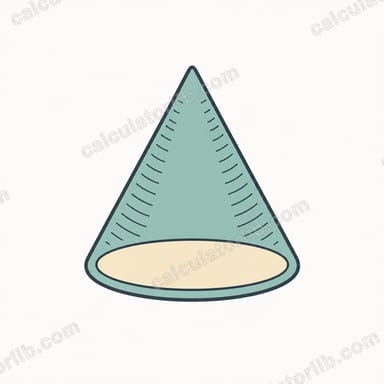

What the Cone Base Area Calculator Does
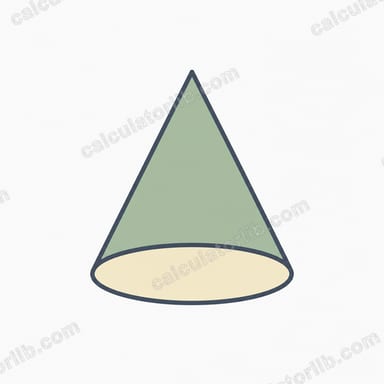
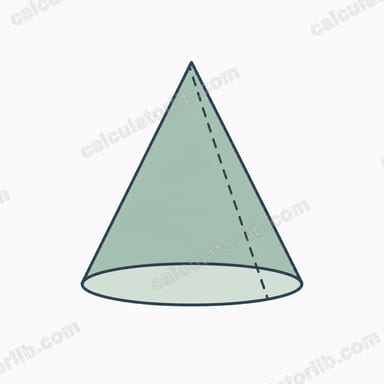
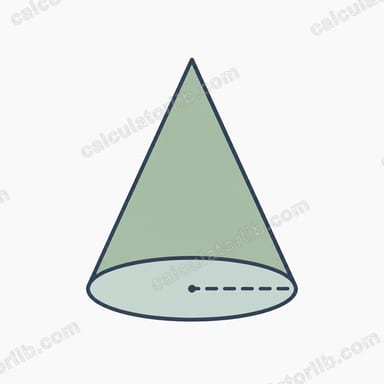
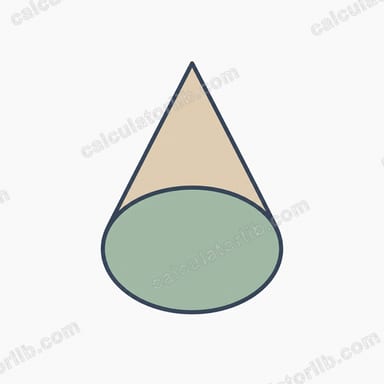
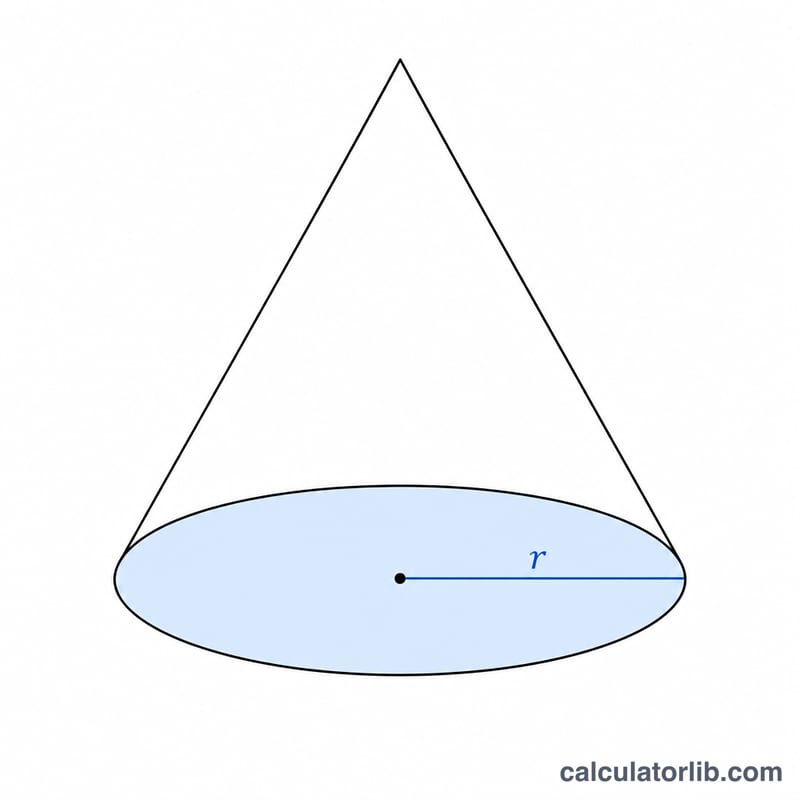
The base of a cone is simply a circle, so its area is found with the standard circle formula. This calculator takes a single input — the radius of the cone's circular base — and instantly returns the base area using A = πr². Alongside the area, it also reports two helpful related measurements derived from the same radius: the circumference of the base and its diameter. It is a quick tool for geometry homework, engineering sketches, packaging design, and any task where you need the footprint of a cone.
How to Use It
- Radius: Enter the distance from the centre of the base circle to its edge, in whatever unit you are working in (cm, m, inches, etc.).
- The result is returned in those units squared for area, and the same linear units for diameter and circumference.
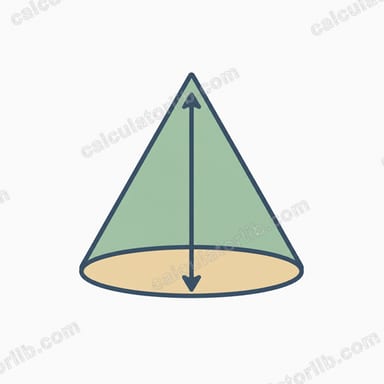
You only need one number. There is no need to enter the cone's height — base area depends purely on the radius.
The Formula Explained
The calculator uses three simple geometric relationships:
- Base area: A = π × r² (the area of the circular base)
- Circumference: C = 2 × π × r (the distance around the base)
- Diameter: d = 2 × r (the full width across the base)
Here π (pi) is approximately 3.14159. Squaring the radius means doubling the radius quadruples the area, which is why small changes in radius have a large effect on the base.
Worked Example
Suppose a cone has a base radius of 5 cm:
- Base area = π × 5² = π × 25 ≈ 78.54 cm²
- Circumference = 2 × π × 5 ≈ 31.42 cm
- Diameter = 2 × 5 = 10 cm
So a cone resting on a 5 cm radius base covers about 78.54 square centimetres.
Frequently Asked Questions
Does the cone's height affect the base area? No. The base area only depends on the radius. Height is needed for volume or slant height, not for the base footprint.
What if I only know the diameter? Divide the diameter by 2 to get the radius, then enter that value. For example, a 10 cm diameter means a 5 cm radius.
Is this the same as the cone's surface area? No. This is only the flat circular base. Total surface area also includes the curved lateral surface (πr × slant height), which this tool does not calculate.