
What this calculator does
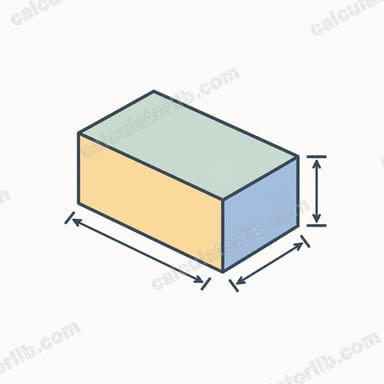
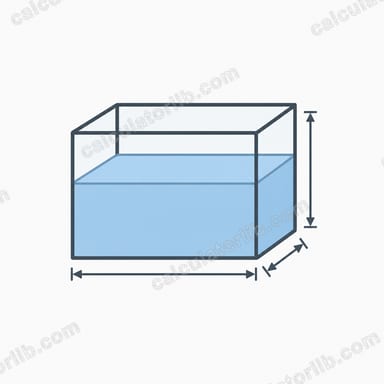
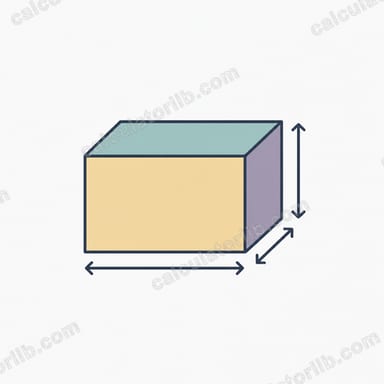
The Cuboid Volume Calculator works out four key measurements of a rectangular box (a cuboid) from three simple inputs. Enter the Length, Width, and Height, and it instantly returns the volume, total surface area, lateral (side) surface area, and the volume-to-surface-area ratio. It is unit-neutral: whatever unit you use for the dimensions (cm, m, inches, feet), the volume comes out in those units cubed and the areas in those units squared.
The inputs explained
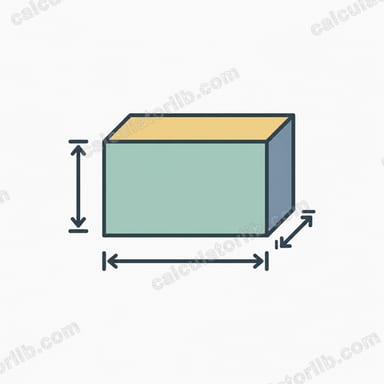
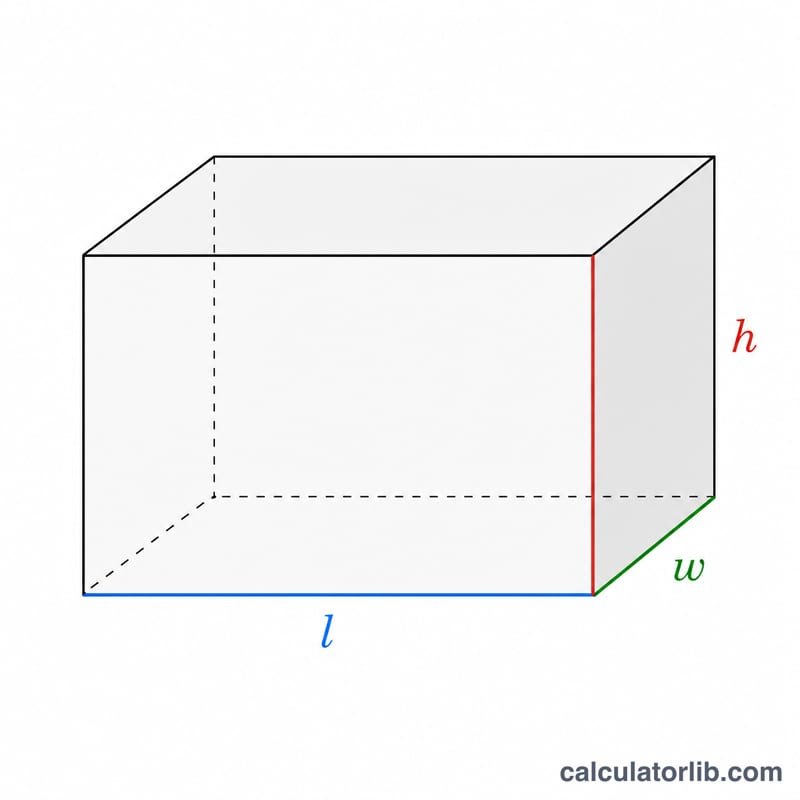
- Length – one horizontal edge of the box.
- Width – the other horizontal edge, at right angles to the length.
- Height – the vertical edge, how tall the box stands.
All three should be in the same unit so the results stay consistent.
The formulas used
The tool applies four standard geometric formulas:
- Volume = Length × Width × Height
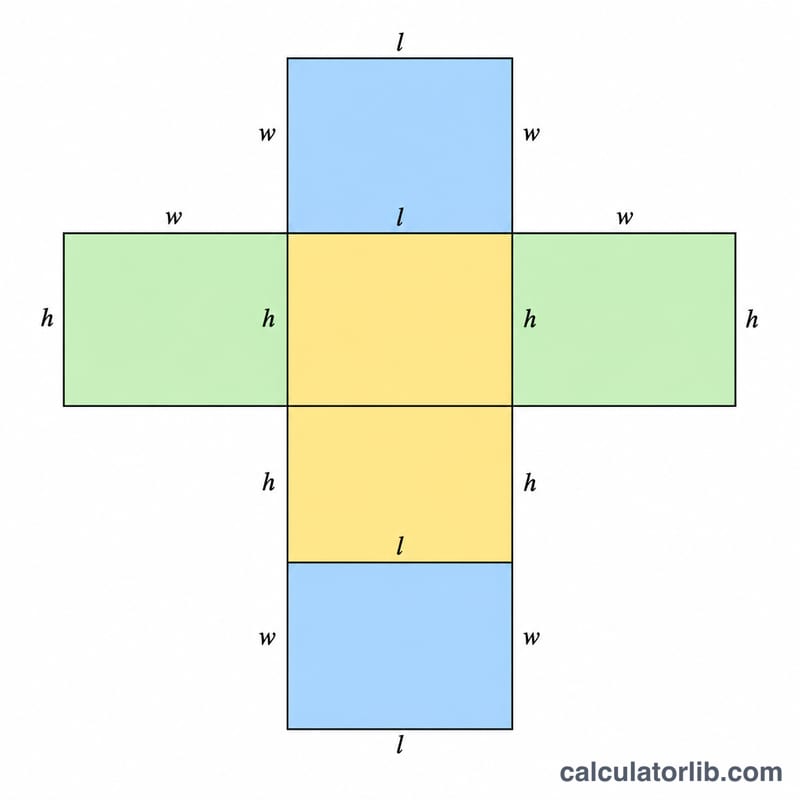
- Surface area = 2 × (Length×Width + Length×Height + Width×Height)
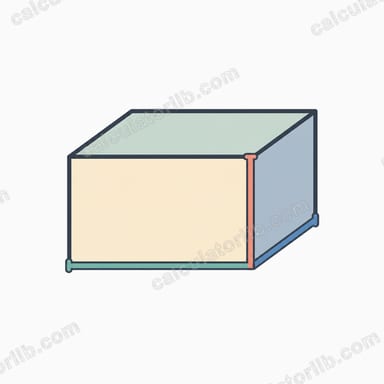
- Lateral surface area = 2 × Height × (Length + Width) — the four side walls, excluding top and bottom
- Volume-to-surface-area ratio = Volume ÷ Surface area
Worked example
Suppose a box measures Length = 5, Width = 3, Height = 2 cm.
- Volume = 5 × 3 × 2 = 30 cm³
- Surface area = 2 × (5×3 + 5×2 + 3×2) = 2 × (15 + 10 + 6) = 62 cm²
- Lateral surface area = 2 × 2 × (5 + 3) = 32 cm²
- Volume-to-surface ratio = 30 ÷ 62 ≈ 0.484
Frequently asked questions
What is the difference between surface area and lateral surface area? Total surface area covers all six faces. Lateral surface area counts only the four vertical sides, leaving out the top and bottom — useful when you are wrapping or painting the walls but not the lid or base.
Why does the volume-to-surface-area ratio matter? A higher ratio means more volume is enclosed per unit of surface. This is important in packaging efficiency, heat retention, and insulation, where minimising surface area for a given volume reduces material cost and energy loss.
Do I need to convert units? No conversion is built in, so just keep all three dimensions in one unit. The volume will be in that unit cubed and areas in that unit squared.