
What the Fisher Equation Calculator Does
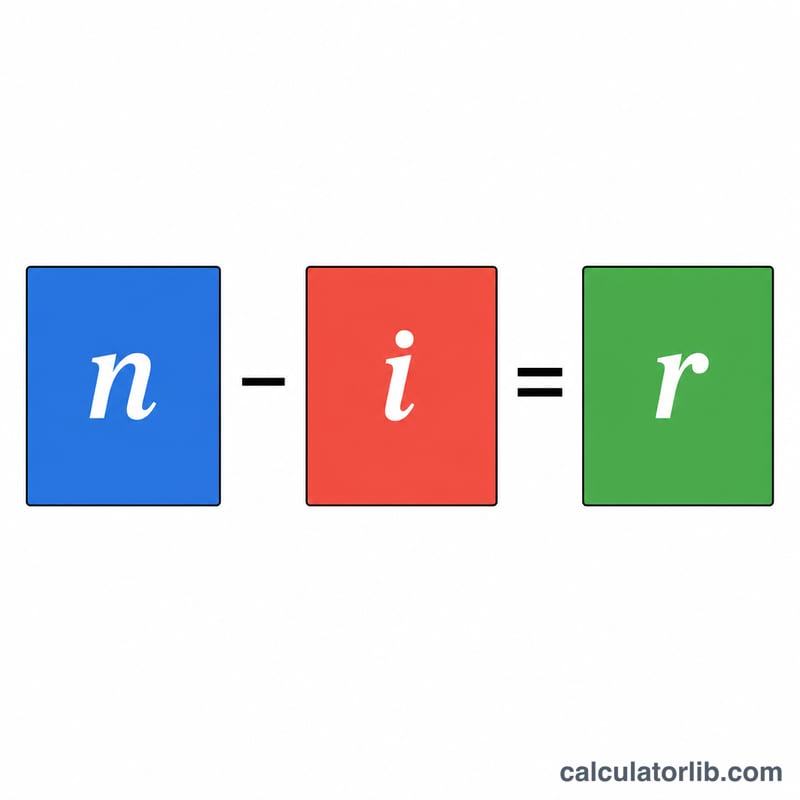
The Fisher Equation Calculator converts a stated (nominal) interest rate into a real interest rate by stripping out the eroding effect of inflation. While a savings account or bond may advertise a headline return, your true gain in purchasing power is always lower once prices rise. This tool, based on the economic relationship developed by Irving Fisher, shows you the real return so you can judge whether an investment actually grows your wealth.
The Two Inputs
- Nominal Interest Rate (%): The advertised or quoted annual rate before adjusting for inflation — for example, the rate paid on a bond or savings deposit.
- Inflation Rate (%): The expected or actual rate at which prices are rising over the same period.
The Formula
The calculator uses the exact (multiplicative) form of the Fisher equation rather than the simple approximation:
- Real rate = [(1 + nominal) / (1 + inflation) − 1] × 100
- Purchasing power = 100 × (1 − inflation)
Here the nominal and inflation rates are converted to decimals before the calculation. The real-rate result tells you the inflation-adjusted return, while the purchasing power figure shows how much €100 (or any 100 units of currency) is worth after one period of inflation.
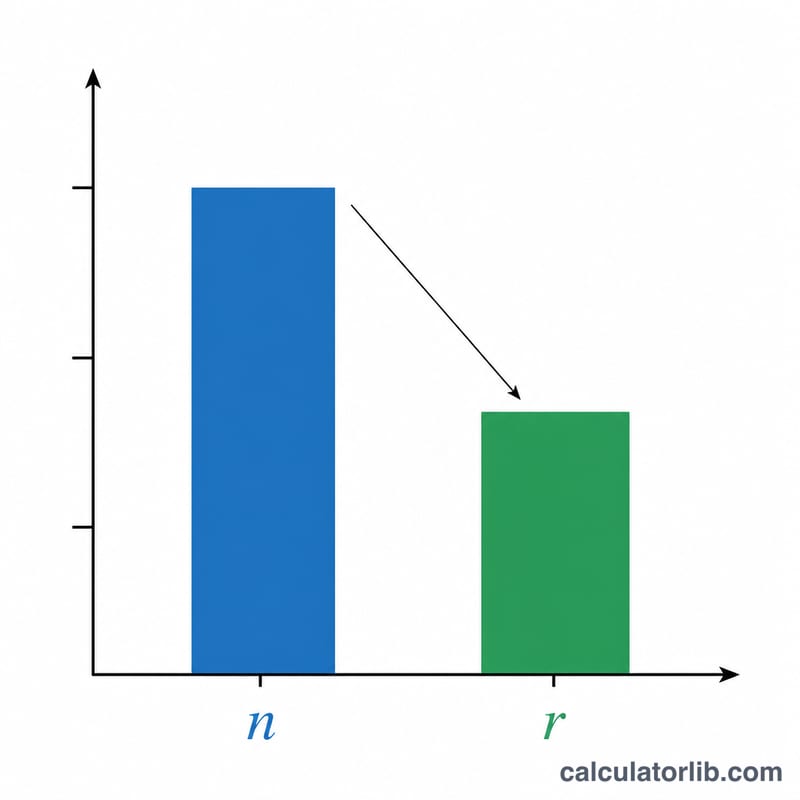
Worked Example
Suppose your bond pays a Nominal Interest Rate of 6% and the Inflation Rate is 3%.
- Real rate = [(1 + 0.06) / (1 + 0.03) − 1] × 100 = (1.06 / 1.03 − 1) × 100 ≈ 2.91%
- Purchasing power = 100 × (1 − 0.03) = 97
So your real return is about 2.91% — slightly less than the rough "6% − 3% = 3%" approximation — and 100 units of currency buy what 97 units bought before.
Frequently Asked Questions
Why isn't the real rate just nominal minus inflation? Subtraction is a handy shortcut, but the exact Fisher equation divides (1 + nominal) by (1 + inflation). The difference is small at low rates but grows noticeably when inflation is high.
Can the real interest rate be negative? Yes. If inflation exceeds your nominal rate, the result is negative, meaning your money loses purchasing power despite earning interest.
What does the purchasing power figure mean? It indicates how much 100 units of currency are worth after one period of the given inflation — a quick gauge of how fast prices are eroding cash value.